

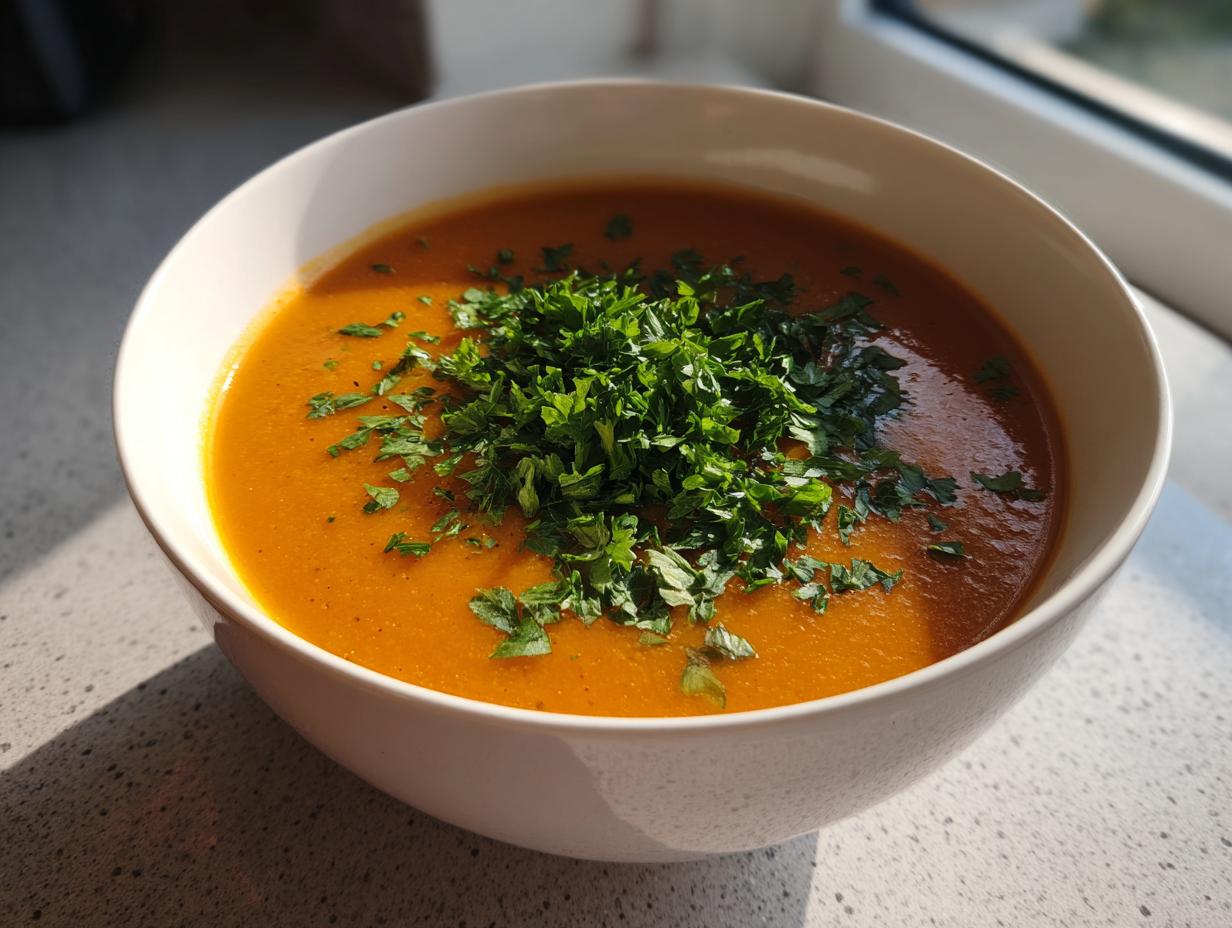
There’s nothing quite like the aroma of deeply flavored food filling your home, right? That’s the magic we chase here at Seventh Flavour. If you think vegetable soup is just a light side dish, wait until you try this! My signature **roasted vegetable soup** recipe is famous because we skip the soggy boiling method and go straight for caramelization. Roasting those veggies first locks in unbelievable, savory depth. This method is key to the robust experience Aria Sterling built her kitchen on, moving from the marketing rush to finding that pure joy again at the stove. To learn more about how we developed this philosophy, check out the story behind Seventh Flavour right here. We’re focused on creating that profound feeling—that Seventh Flavour—in every comforting bowl. Trust me, once you roast them, you’ll never go back.
- Why This Roasted Vegetable Soup Recipe Works (The Flavor Secret)
- Essential Ingredients for Your Roasted Vegetable Soup
- How to Make Roasted Vegetable Soup Step-by-Step
- Tips for the Best Roasted Vegetable Soup Success
- Variations for Your Homemade Roasted Soup
- Serving Suggestions for Comfort Food Soup Recipes
- Storage and Reheating Roasted Vegetable Soup
- Frequently Asked Questions About Roasted Vegetable Soup
- Share Your Seventh Flavour Experience
Why This Roasted Vegetable Soup Recipe Works (The Flavor Secret)
People ask me all the time why my **Savory Vegetable Soup** tastes so much richer than others. Honestly, it all comes down to heat! When you roast vegetables like carrots, onions, and squash, you introduce real caramelization. That browning isn’t just color; it’s pure, deep sweetness and savory notes being unlocked. It transforms a simple base into the **Flavorful Vegetable Soup** you dream about.
I remember making these batches before I left marketing. I tried boiling the veggies first, and the resulting soup was just… fine. Bland, really. But the minute I started roasting them at 400°F, the kitchen smelled completely different—richer, sweeter. That’s when I knew I had found the secret to the **Best Roasted Vegetable Soup**.
Quick Facts: Prep, Cook, and Yield
- Prep Time: 20 minutes
- Cook Time: 45 minutes
- Total Time: 65 minutes
- Yield: 6 servings
Essential Ingredients for Your Roasted Vegetable Soup
When we’re building flavor foundation, every ingredient matters, but we aren’t using anything that feels complicated. I want you making this **Easy Vegetable Soup** tonight, not next Tuesday! The beauty of this recipe is that the magic happens in the roasting, not in sourcing exotic supplies. We rely on sturdy root vegetables and aromatics that sweeten up beautifully under heat. The star, besides the veggies themselves, is a really good, flavorful vegetable broth—don’t skimp there; it’s the liquid heart of the whole soup!
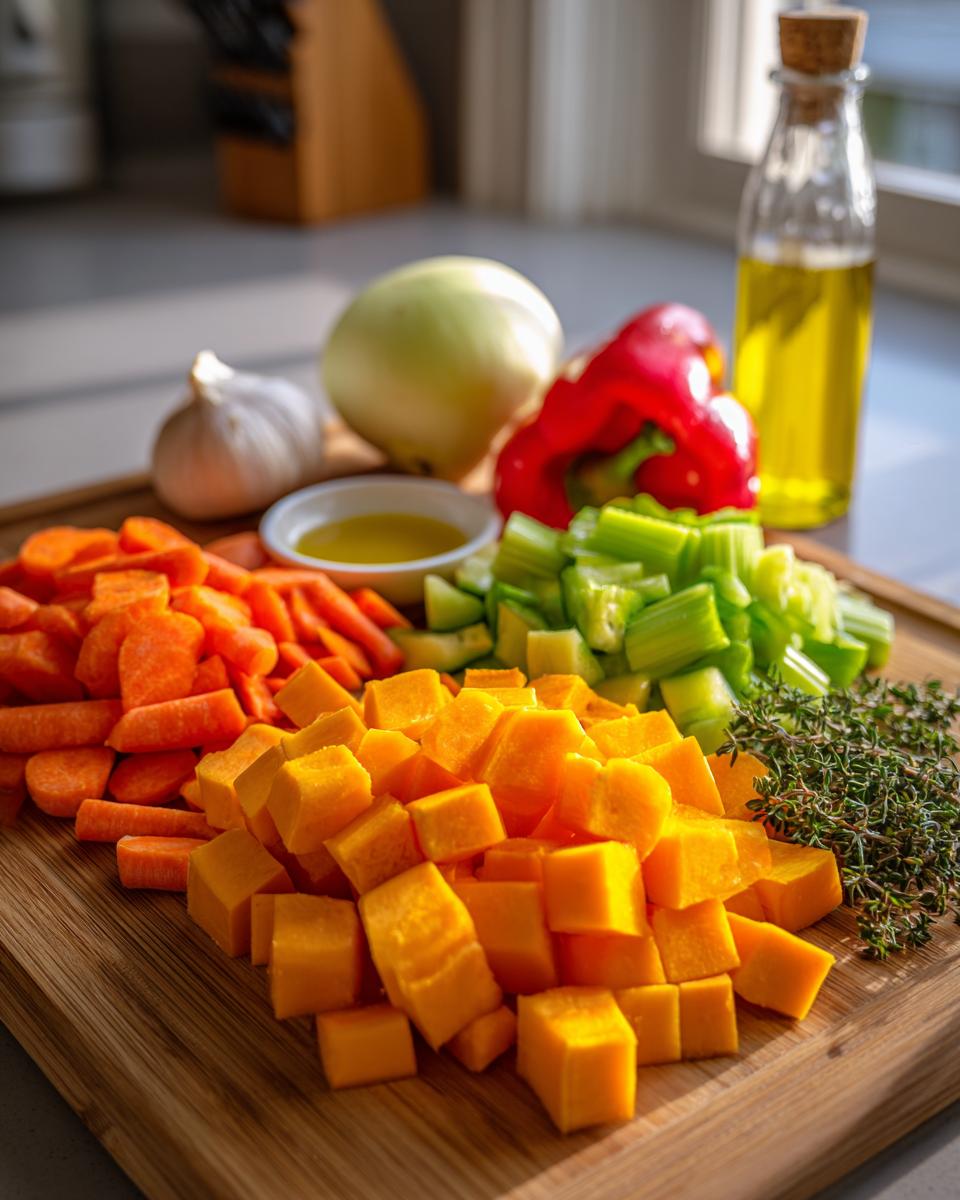
- 2 large carrots, peeled and roughly chopped
- 2 celery stalks, roughly chopped
- 1 large yellow onion, quartered
- 1 red bell pepper, seeded and quartered
- 1 pound butternut squash, peeled and cubed
- 4 cloves garlic, unpeeled (Yes, whole!)
- 3 tablespoons olive oil
- 1 teaspoon dried thyme
- 1/2 teaspoon dried rosemary
- 1 teaspoon salt
- 1/2 teaspoon black pepper
- 6 cups vegetable broth
- 1/4 cup heavy cream (optional, if we want it rich!)
- Fresh parsley, chopped, for garnish
Ingredient Notes and Substitutions for Roasted Vegetable Soup
A couple of quick notes on making this recipe work for *your* kitchen. If you’re aiming for a super rich and **Creamy Roasted Vegetable Soup**, that 1/4 cup of heavy cream really helps the texture feel luxurious. But if you’re keeping it plant-based, no problem! Just swap that cream for 1/4 cup of full-fat coconut milk. That little bit of fat adds the necessary sheen and body to the soup. Also, if you want to lean heavily into the earthier flavors, feel free to swap out some of the squash for parsnips or sweet potatoes—that turns it into a true **Root Vegetable Soup** powerhouse.
How to Make Roasted Vegetable Soup Step-by-Step
Okay, let’s get down to business. This is where the magic happens! We are transforming simple vegetables into something extraordinary. The process is easy, but you need to follow these steps precisely to get that deep, rich base we talked about. First things first: crank that oven up to 400 degrees Fahrenheit. Seriously, get it hot!
Next, all your chopped goodness—the carrots, celery, onion, pepper, squash, and those whole garlic cloves—go onto one big baking sheet. Don’t crowd them! They need space to breathe so they can brown, not steam themselves to mush. Drizzle generously with olive oil, and then make sure you sprinkle on your thyme, rosemary, salt, and pepper. Give it a good toss until everything is glistening. Then, they roast for 30 to 35 minutes. You’ll know they are done when the edges look gorgeous and slightly browned.
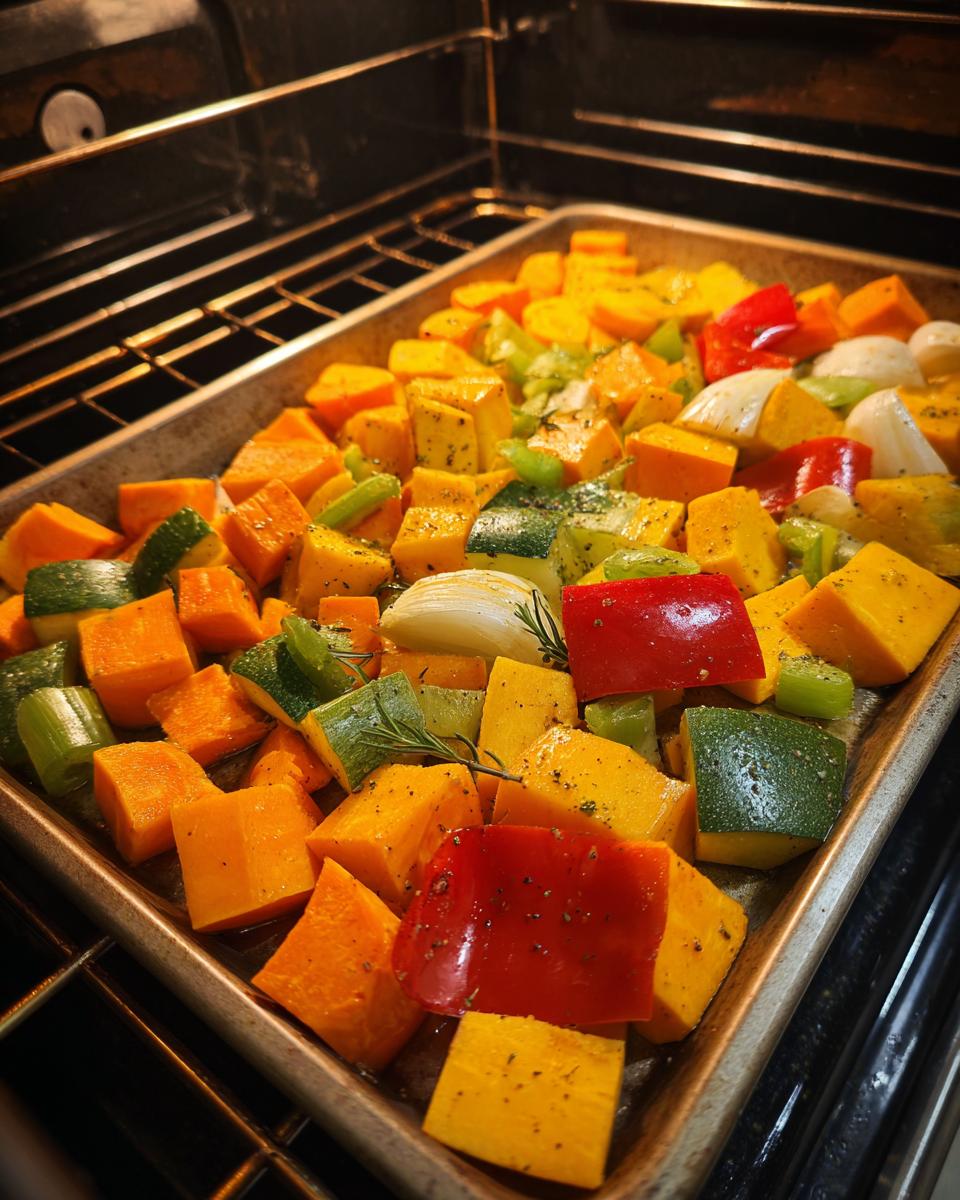
While they are roasting, you can prep your broth. The key moment? Once everything is tender, pull out those garlic cloves and squeeze that soft, sweet pulp right out of its papery skin into the pot. After you dump all the roasted veggies in, pour in the 6 cups of vegetable broth, bring it to a simmer for about 10 minutes so they get friendly, and then it’s time to blend. You can check out my thoughts on a similar one-pot technique here if you’re interested!
Roasting for Maximum Flavor in Your Roasted Vegetable Soup
This isn’t just about softening the vegetables; this is flavor alchemy! Tossing them with the oil and herbs *before* roasting ensures that the heat activates the essential oils in the rosemary and thyme. That contact point between the vegetable, the oil, and the hot pan surface creates the Maillard reaction, which is just a fancy way of saying deep, savory flavor town. If you skip this prep, you compromise the very foundation of **How to Make Roasted Vegetable Soup** correctly. You want those beautiful brown bits on the pan after you take the veggies out—that’s pure gold!
Blending Techniques for the Perfect Roasted Vegetable Soup Texture
Once everything is simmered together, we get to choose the finale texture. If you want a velvety, luxurious, **Creamy Roasted Vegetable Soup**, use your immersion blender right in the pot. Keep it moving so it doesn’t splatter, or pulse it gently. If you use a standard blender, load it only halfway, hold that lid down with a thick kitchen towel, and blend in small batches—safety first, always! For those who like a rustic feel, only blend about 75% of the soup. Just pulse it a few times until you leave plenty of tasty, soft chunks for texture. That way, you control how chunky or smooth your **Soup Using Roasted Veggies** turns out.
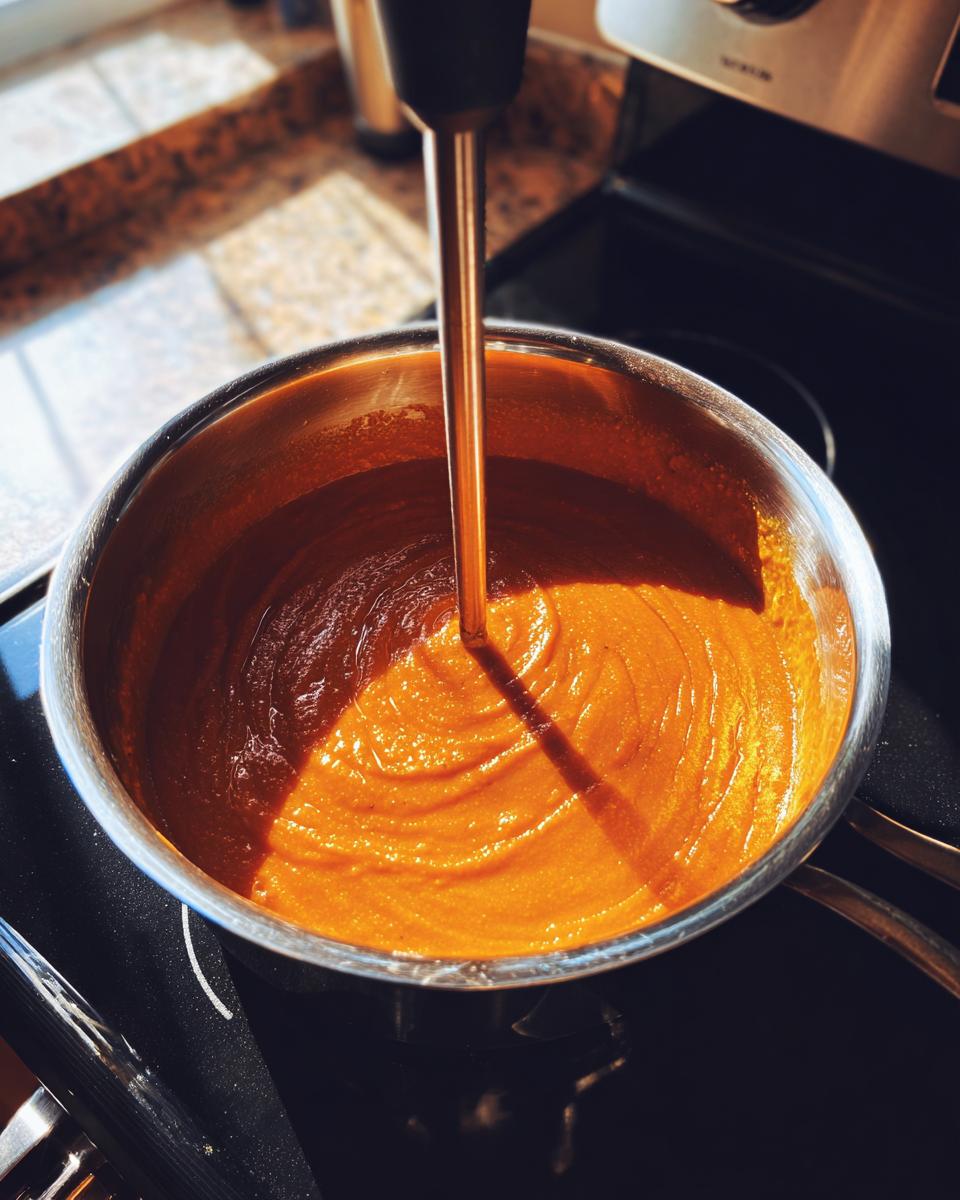
Tips for the Best Roasted Vegetable Soup Success
I’ve made this soup so many times that I know exactly where people usually trip up, and they’re such easy fixes! The biggest error I see is people being shy with the seasoning *before* roasting. Those herbs and that initial salt and pepper are locking in flavor, but the final taste test happens *after* blending. Vegetables absorb seasoning differently when they are soft and puréed, so you almost always need a little more salt added at the end.
Before you even think about turning on that blender, stop and taste the soup after the 10-minute simmer. Does it taste good? Good doesn’t cut it for a truly **Flavorful Vegetable Soup**! Add a touch more salt, a dash of pepper, or even a tiny pinch of sugar if your vegetables came out slightly more bitter than sweet. Don’t be afraid to adjust!
Another crucial thing: make sure those vegetables are truly fork-tender after roasting. If you try to blend hard squash, you don’t get creamy soup; you get grainy sadness. If they look browned but still feel firm when pressed with a fork, put them back in the oven for another 5 to 10 minutes. It’s better to wait than to compromise the texture.
If you are looking to keep this recipe truly light and perfect for your daily routine, this is a fantastic base for a **Healthy Vegetable Soup**. You can use less than the three tablespoons of oil suggested, or skip the heavy cream entirely. The roasting still gives you tons of flavor without added richness. For more ideas on keeping your weekday meals vibrant and light, I share tons of tips over on my page about healthy lunch recipes.
Variations for Your Homemade Roasted Soup
The beauty of this technique is that once you master the roasting step, you can swap out almost any hearty vegetable you have lying around. This recipe is designed to adapt perfectly to what’s in season, making it flexible for **Winter Vegetable Soup Ideas** or a vibrant early **Autumn Vegetable Soup**.
Don’t feel locked into just carrots and squash! I love tossing in things that get wonderfully sweet and tender when roasted. When I’m cleaning out the crisper drawer before a big trip, I usually add one or two of the following:
- Parsnips: These add a lovely, slightly earthy sweetness that complements the savory notes beautifully. Just chop them to the same size as your carrots.
- Sweet Potatoes (Instead of Butternut): If you’re in a rush and don’t want to deal with peeling tough squash, use a sweet potato! It roasts wonderfully and gives the soup a gorgeous orange hue.
- Fennel Bulb: This might sound wild, but roasting cuts the sharpness of fennel and leaves you with a sweet, unique anise flavor that is just fantastic in the final blend. Make sure to drizzle it well with oil!
You can even change up the peppers! If you find fresh poblano peppers on sale, toss one in there with the onions. It adds just a whisper of smokiness without any real heat. See? It’s so easy to customize this base! While we are on the topic of easy swaps, check out my really simple easy breakfast recipes sometime; sometimes the simplest meals bring the most joy.
Serving Suggestions for Comfort Food Soup Recipes
This rich, savory roasted vegetable soup is fantastic all by itself, especially when you’ve put in the effort to roast everything properly. But isn’t soup just begging for something to dip into it? That’s where the ‘comfort’ part of **Comfort Food Soup Recipes** really kicks in for me. A velvety, smooth soup like this demands a textural partner.
My absolute first choice, every single time, is crusty bread. You need something sturdy to scoop up every last drop of that savory broth. I’m not talking about flimsy sandwich bread either; I mean a loaf with a thick, crackly crust and an open, chewy interior. It’s the perfect vehicle for soaking up all that roasted goodness.
If you want to make the absolute best dipping experience at home, I’ve perfected a recipe that takes minimal effort but gives maximum reward. You should really check out my guide to making crusty, no-knead Italian bread. It’s so easy because there’s almost no hands-on work, and the smell while it bakes just makes the whole house smell like a cozy bistro.
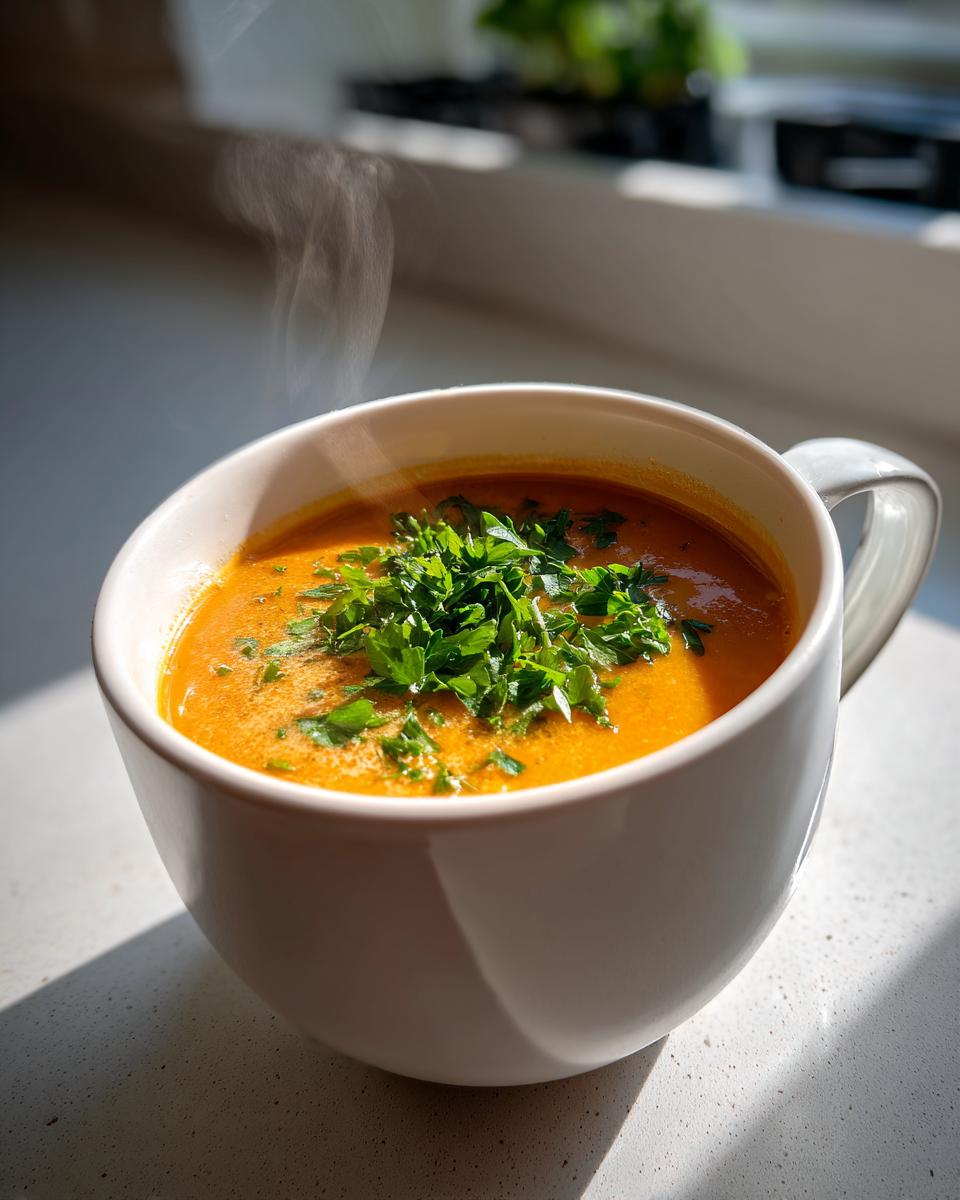
Now, if you’re keeping this soup light—maybe you skipped the cream or made it vegan—a small side salad can be nice. Keep the greens simple. Think peppery arugula dressed with just lemon juice, a little olive oil, salt, and pepper. The slight bite of the arugula cuts through the inherent sweetness of the roasted carrots and squash really nicely. It keeps the meal feeling hearty but not heavy. Honestly, a bowl of this soup alongside a perfect slice of homemade bread is just about the coziest dinner I can imagine!
Storage and Reheating Roasted Vegetable Soup
Don’t you hate when leftover soup turns into sad, watery mush the next day? Because we focused so heavily on building that deep, rich flavor base through roasting, this **Homemade Roasted Soup** holds up incredibly well! The texture stays much better than soups made with boiled vegetables.
If you’re lucky enough to have leftovers—though I often manage to polish off a batch myself!—you need to store them correctly. Make sure the soup has cooled down completely before you put it in the fridge. That’s critical for food safety and texture preservation. You can definitely keep this soup sealed up tight in an airtight container in the refrigerator for up to four days. That’s perfect for quick lunches!
For longer storage, this soup freezes beautifully, which is a lifesaver when the winter weather hits hard. When freezing, I always recommend using freezer-safe bags or sturdy containers, leaving about an inch or two of space at the top since liquids expand when they freeze. It’ll keep well in the freezer for about three months. You can find some handy tips on freezing large batches, similar to what I use for my turkey soup recipe, over here.
When it comes to reheating, gentle is key. We don’t want to boil away those beautiful roasted flavors we worked so hard to create! On the stovetop, heat it slowly over medium-low heat, stirring occasionally until it’s steaming hot all the way through. Avoid a hard, rolling boil. If you’re warming up a single serving using the microwave, just use medium power and check it every minute or so until it feels hot enough for you.
If you used the heavy cream option and notice the soup seems slightly separated upon reheating (sometimes dairy can be a bit fussy), just give it a really vigorous whisk once it’s heated through. That usually brings the emulsion right back together instantly. But I promise, this **Savory Vegetable Soup** reheats like a dream!
Frequently Asked Questions About Roasted Vegetable Soup
I know you might still have a little voice in your head saying, “But what if…?” That’s totally normal! When you’re investing time into making something truly special, like this **Roasted Vegetable Soup Recipe**, you want it to be perfect. I’ve gathered the questions I get most often about texture, diet swaps, and technique. Let’s clear up any last doubts so you can go make a spectacular pot of this **Comfort Food Soup Recipe**!
Can I make this Roasted Vegetable Soup Recipe without roasting the vegetables?
Oh, you absolutely *can*, but please hear me out: it won’t be the same soup! If you just toss the raw vegetables into the broth and simmer them, you end up with a lighter, greener, more traditional vegetable broth flavor. You miss out on that intense, nutty sweetness that comes only from caramelization.
Roasting is the secret sauce here; it deepens the flavor so much that you don’t need tons of extra seasonings later. Skipping it turns this amazing, rich **Savory Vegetable Soup** into something much more basic. For the best results and the deepest flavor profile possible, stick to the roasting step. Your 30 minutes in the oven are completely worth the resulting depth!
How do I ensure my Vegan Roasted Vegetable Soup is rich?
This is such a great question, especially if you’re making a **Vegan Roasted Vegetable Soup** adaptation! When you skip the heavy cream, you lose that satisfying mouthfeel, that velvety coating on the tongue. That’s what we need to replicate carefully.
My top tip is using full-fat canned coconut milk instead of the prescribed heavy cream. It blends up beautifully and doesn’t leave a strong coconut flavor because the roasted vegetables overpower it. Another trick I love for vegan richness, especially if you’re avoiding coconut, is adding a couple of tablespoons of nutritional yeast right after blending. It gives the soup a savory, slightly cheesy depth without adding any dairy or unhealthy fats, making your soup feel hearty and satisfying!
How do I make this soup creamy versus chunky?
This is completely down to personal preference, and luckily, it’s easy to control! If you want that perfectly smooth, **Creamy Roasted Vegetable Soup** texture that coats your spoon, you need to blend it completely—either with an immersion blender right in the pot or in batches in a high-powered blender until you see no texture remaining. Make sure you bring it back up to heat slowly after blending.
If you prefer a rustic, satisfying bite, only blend about two-thirds of the soup. Use your immersion blender for just 30 seconds, or scoop out two cups of the hot mixture, blend those two cups until smooth in a standard blender, and then stir that velvety mixture back into the main pot with the remaining vegetables. That way, you get the smooth body of a purée but still have those delicious, soft chunks of roasted vegetables throughout your bowl.
Can I use other root vegetables instead of those listed?
Absolutely! This recipe is fantastic because it loves hardy root vegetables. If you see parsnips, sweet potatoes, or even turnips at the market, feel free to swap them in for some of the butternut squash. Just make sure you chop them to roughly the same size so they all roast evenly in that same 30-to-35-minute window. Using different combinations is how you keep this **Root Vegetable Soup** interesting all winter long!
Share Your Seventh Flavour Experience
I truly hope this **Roasted Vegetable Soup Recipe** warms you up from the inside out! Making food that connects us—that brings that real, deep, core-satisfying feeling—is why I do this. I’d be so thrilled if you took a moment to let me know how it turned out for you.
Did you try adding fennel or maybe some Yukon Golds into the roasting pan? I’m always curious about what vegetable combinations people love most in their **Soup Using Roasted Veggies**. Please hit that 5-star rating button if this recipe hit the spot, and definitely leave a comment below telling me your absolute favorite ingredient swap!
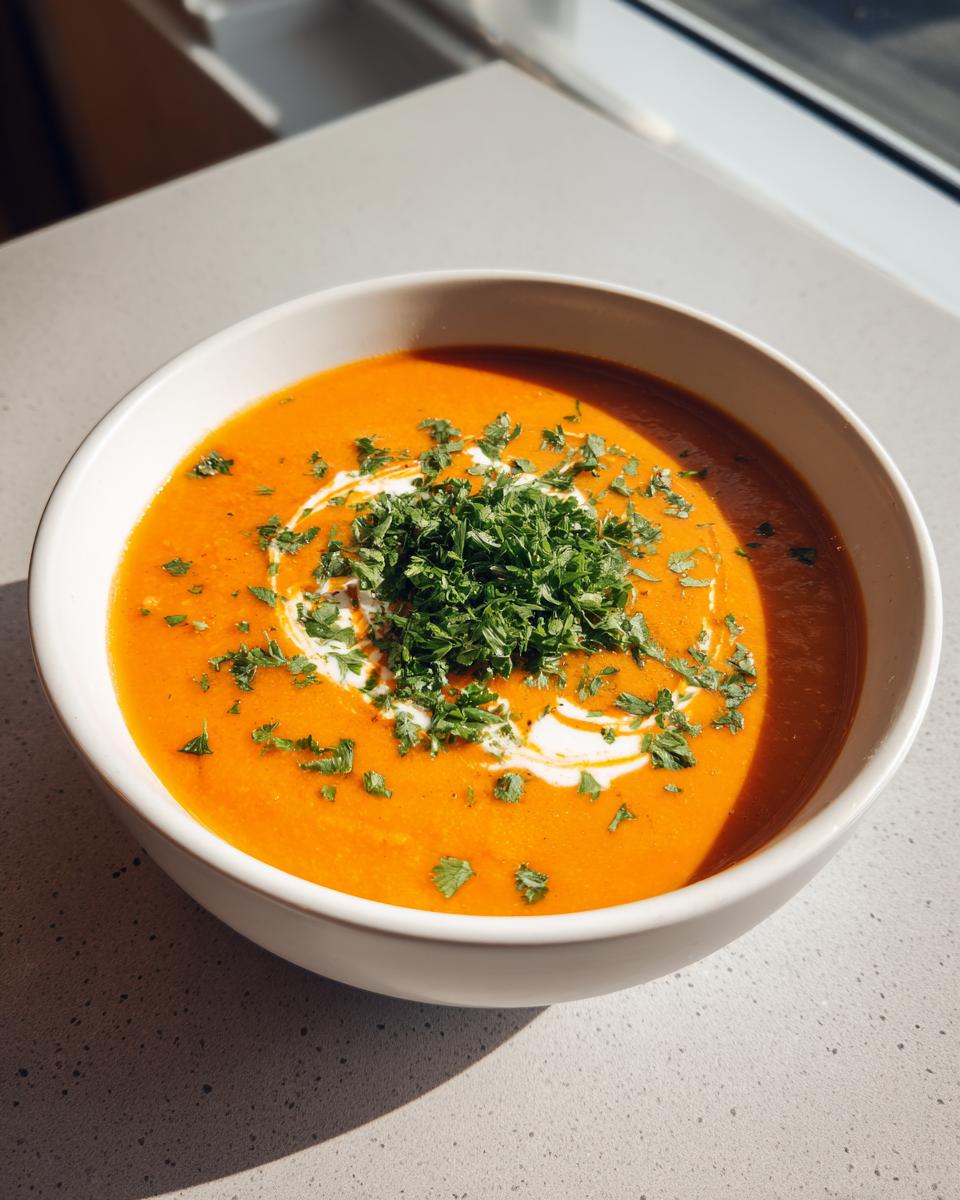
And hey, if you snapped a picture of your perfectly creamy bowl—maybe ready for dipping with that crusty bread—tag us on social media! I love seeing your Seventh Flavour creations in real kitchens. If you ever have questions or want to share some of your own kitchen experiments, you can always reach out to the team directly via our contact page. Happy cooking, friends!
PrintSavory Roasted Vegetable Soup Recipe

Make this flavorful roasted vegetable soup by deeply caramelizing your vegetables before blending them into a comforting, savory meal. This recipe focuses on maximizing vegetable flavor.
- Prep Time: 20 min
- Cook Time: 45 min
- Total Time: 65 min
- Yield: 6 servings 1x
- Category: Dinner
- Method: Roasting and Simmering
- Cuisine: American
- Diet: Vegetarian
Ingredients
- 2 large carrots, peeled and roughly chopped
- 2 celery stalks, roughly chopped
- 1 large yellow onion, quartered
- 1 red bell pepper, seeded and quartered
- 1 pound butternut squash, peeled and cubed
- 4 cloves garlic, unpeeled
- 3 tablespoons olive oil
- 1 teaspoon dried thyme
- 1/2 teaspoon dried rosemary
- 1 teaspoon salt
- 1/2 teaspoon black pepper
- 6 cups vegetable broth
- 1/4 cup heavy cream (optional, for creamy texture)
- Fresh parsley, chopped, for garnish
Instructions
- Preheat your oven to 400 degrees Fahrenheit.
- Place the carrots, celery, onion, red bell pepper, butternut squash, and garlic cloves on a large baking sheet.
- Drizzle the vegetables with olive oil. Sprinkle with thyme, rosemary, salt, and pepper. Toss everything together until the vegetables are evenly coated.
- Roast for 30 to 35 minutes, stirring halfway through, until the vegetables are tender and slightly browned at the edges. Squeeze the roasted garlic pulp from the skins into a small bowl.
- Transfer all the roasted vegetables and the roasted garlic pulp to a large pot or Dutch oven.
- Pour in the vegetable broth. Bring the mixture to a simmer over medium heat. Cook for 10 minutes to allow the flavors to meld.
- Remove the pot from the heat. Use an immersion blender to blend the soup until smooth, or carefully transfer batches to a standard blender and blend until creamy.
- Return the soup to low heat. If desired, stir in the heavy cream for a richer texture. Heat through, but do not boil.
- Taste and adjust salt and pepper as needed. Serve hot, garnished with fresh parsley.
Notes
- For a vegan roasted vegetable soup, omit the heavy cream or substitute with 1/4 cup of full-fat coconut milk.
- If you prefer a chunkier soup, only partially blend the mixture, leaving some texture.
- Store leftovers in an airtight container in the refrigerator for up to four days.
- To make this a low-calorie vegetable soup, skip the cream entirely.
Nutrition
- Serving Size: 1.5 cups
- Calories: 180
- Sugar: 10
- Sodium: 450
- Fat: 8
- Saturated Fat: 2
- Unsaturated Fat: 6
- Trans Fat: 0
- Carbohydrates: 25
- Fiber: 6
- Protein: 5
- Cholesterol: 5