

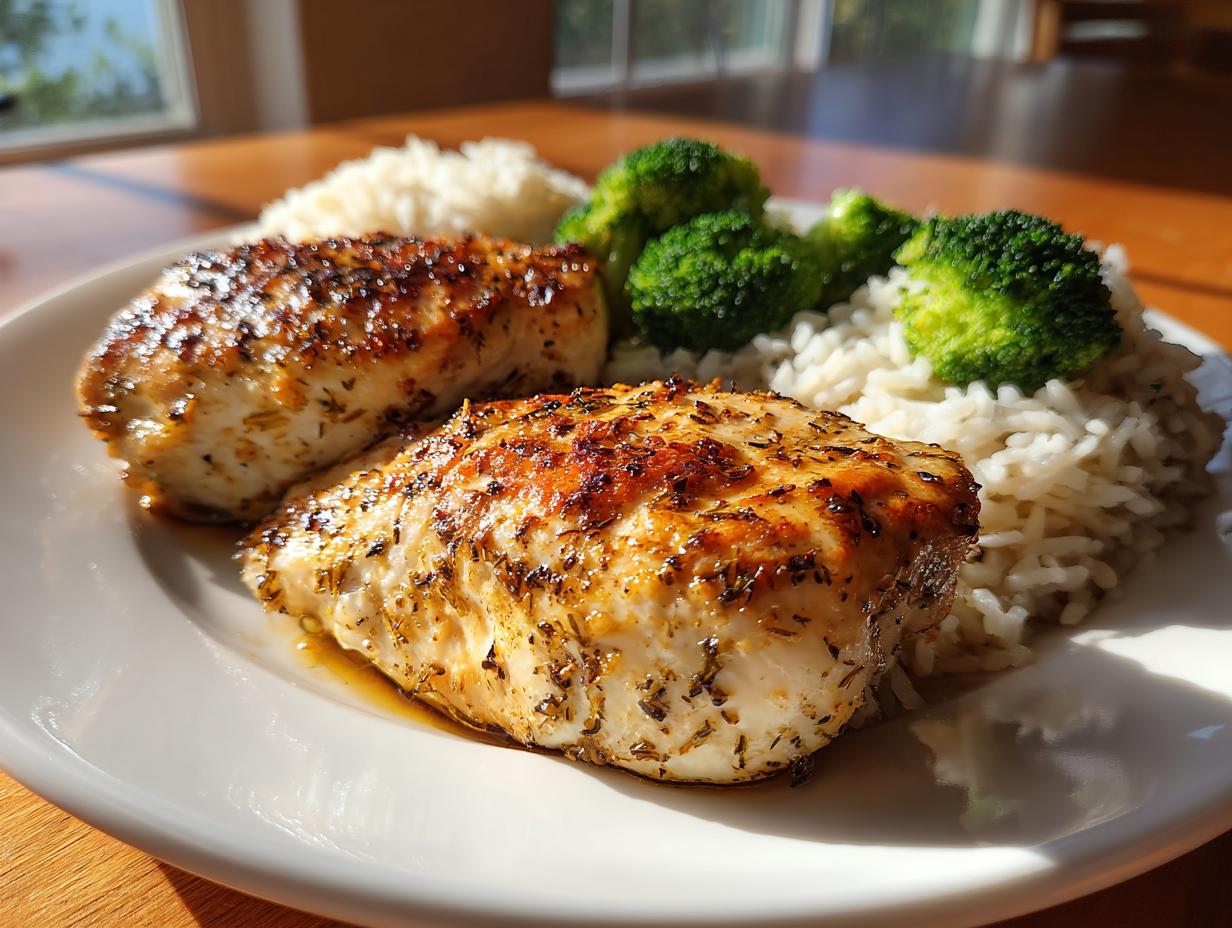
Oh, the dreaded dry chicken! It happens to the best of us, trust me. You follow the directions, you check the temperature, and yet, that beautiful piece of protein turns out suspiciously chewy and flavorless. Well, dust off your apron, because I’m handing over my ultimate defense against culinary disappointment: this **chicken marinade** that has become my absolute staple. After over fifteen years of passionate home testing in my own kitchen, I can confidently say this formula yields the most tender results.
This isn’t just a recipe; it’s my go-to insurance policy for a perfect weeknight meal, and it’s the key to my definitive Juicy Chicken Marinade Recipe. Seriously, if you only learn one marinade technique, make it this one. It’s adaptable, simple, and it changes dry chicken forever.
- Why This All-Purpose Chicken Marinade Delivers Tender Chicken Every Time
- Ingredients for the Best All-Purpose Chicken Marinade
- Step-by-Step Guide to Making the Flavorful Chicken Marinade
- Cooking Methods for Your Perfectly Marinated Chicken
- Make Ahead Chicken Marinade and Freezer Friendly Tips
- Flavor Variations for Your All Purpose Chicken Marinade
- Storage and Reheating Instructions for Marinated Chicken
- Frequently Asked Questions About Chicken Marinade
- Share Your Best Chicken Marinade Creations
Why This All-Purpose Chicken Marinade Delivers Tender Chicken Every Time
When I created this recipe, my main goal was conquering two things: blandness and dryness. I wanted one formula I could rely on whether I was throwing chicken on the grill for a summer cookout or searing it quickly for a Tuesday night pasta.
This balance is what makes it the absolute best **Tender Chicken Marinade**. It’s not magic; it’s just smart chemistry applied to home cooking. Trust me, you’ll be shocked at how soft the chicken stays!
- Oil Barrier: The olive oil coats every piece, creating this essential shield against heat and moisture loss while cooking.
- Flavor Infusion: The herbs and spices get soaked right into the muscle fibers, making sure the flavor goes deep, not just surface-level.
- Perfect Timing: We rely on strategic acid usage, not drowning the chicken in it, which keeps the texture firm but moist.
The Science Behind a Great Chicken Marinade
A lot of people think acid is the only tenderizer, but the salt is actually the heavy lifter here! Salt works deep down to break down some of the proteins, allowing the chicken to hold onto more water. That’s how you get juiciness, even after high heat.
Now, the lemon juice—that’s your flavor powerhouse with a little tenderizing kick. But here’s the big warning: too much acid, or leaving it too long, and you get mushy chicken. It actually starts to “cook” the surface! That’s why we keep the time limits strict; we want flavor infusion, not chemical cooking.
Ingredients for the Best All-Purpose Chicken Marinade
Okay, this is the fun part! What makes this recipe my go-to is that I never have to run to the store for weird, obscure items. Everything here is already hiding in my pantry. You only need about ten things to whip up this fantastic coating for about two pounds of poultry.
Keep your measurements exact, though! Baking is chemistry, and marinating follows pretty close behind it. You’ll want to gather these items before you start whisking:
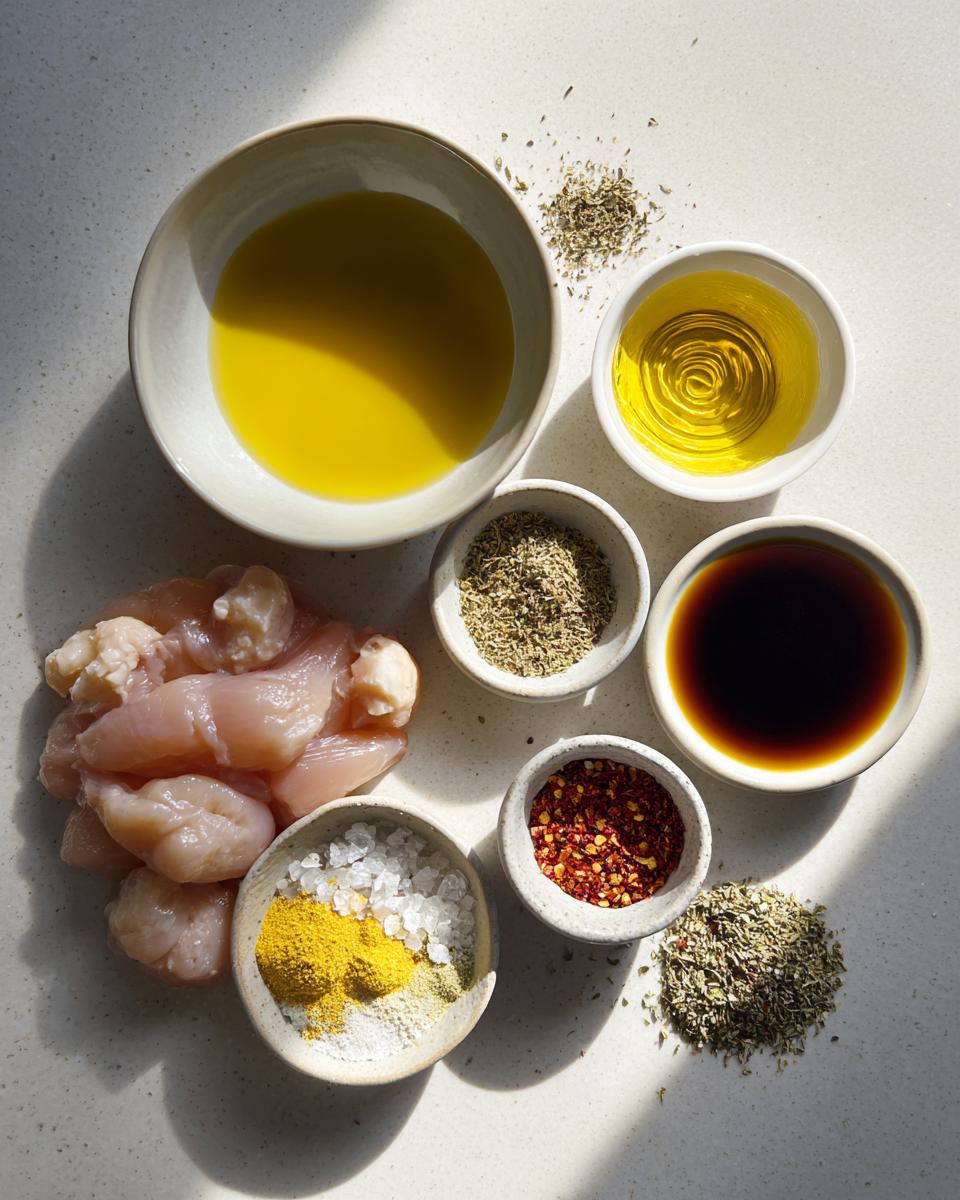
- 1/2 cup olive oil (Don’t skimp on the good stuff; it coats beautifully!)
- 1/4 cup fresh lemon juice (It *must* be fresh, trust me on this one.)
- 3 tablespoons soy sauce
- 2 tablespoons Dijon mustard
- 1 tablespoon dried oregano
- 1 teaspoon garlic powder
- 1 teaspoon onion powder
- 1 teaspoon salt
- 1/2 teaspoon black pepper
- 1/4 teaspoon red pepper flakes (If you like a tiny little kick!)
Ingredient Notes and Substitutions for Your Chicken Marinade
I know life happens, and sometimes you’re missing one tiny thing. That’s okay! This is meant to be a Simple Chicken Marinade, so feel free to swap where needed without losing that perfect flavor base.
If you’re out of soy sauce, tamari is a wonderful gluten-free alternative. If you don’t have Dijon, whole grain mustard works great, though it will change the visual texture slightly. And if you absolutely cannot find fresh lemon, bottled is better than nothing, but fresh juice just brightens everything up so much more!
Step-by-Step Guide to Making the Flavorful Chicken Marinade
Putting this amazing **chicken marinade** together couldn’t be faster—it genuinely takes me less than ten minutes flat. Forget complicated layering or fancy equipment; this is pure mix-and-go efficiency! I usually grab the biggest sealable bag I have, but a bowl works just fine if you have the patience to whisk everything until it looks like a creamy vinaigrette.
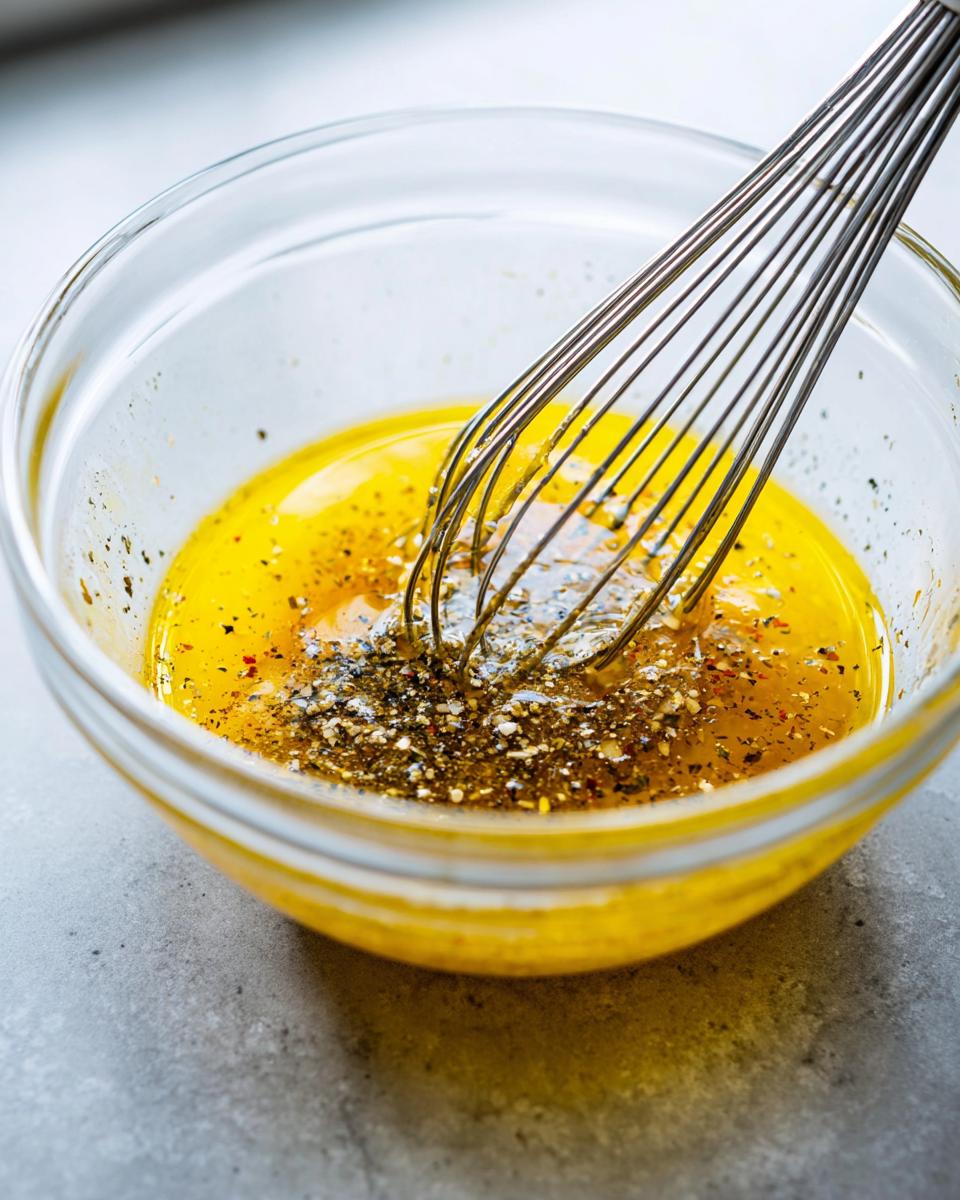
First, get all those liquids and spices mixed up perfectly—you want that Dijon mustard totally emulsified so it spreads evenly. Once it’s happy and combined, toss in your chicken. Make sure every single piece is swimming, or at least fully coated, in that liquid gold. Don’t forget, after it marinates, you must pat the chicken lightly dry before it hits the heat. A wet surface steams; a dry surface sears! For extra tips on using things like quick homemade sauces, you can check out my recipe for mayo, though that’s for later!
Marinating Time: How Long for the Perfect Chicken Marinade
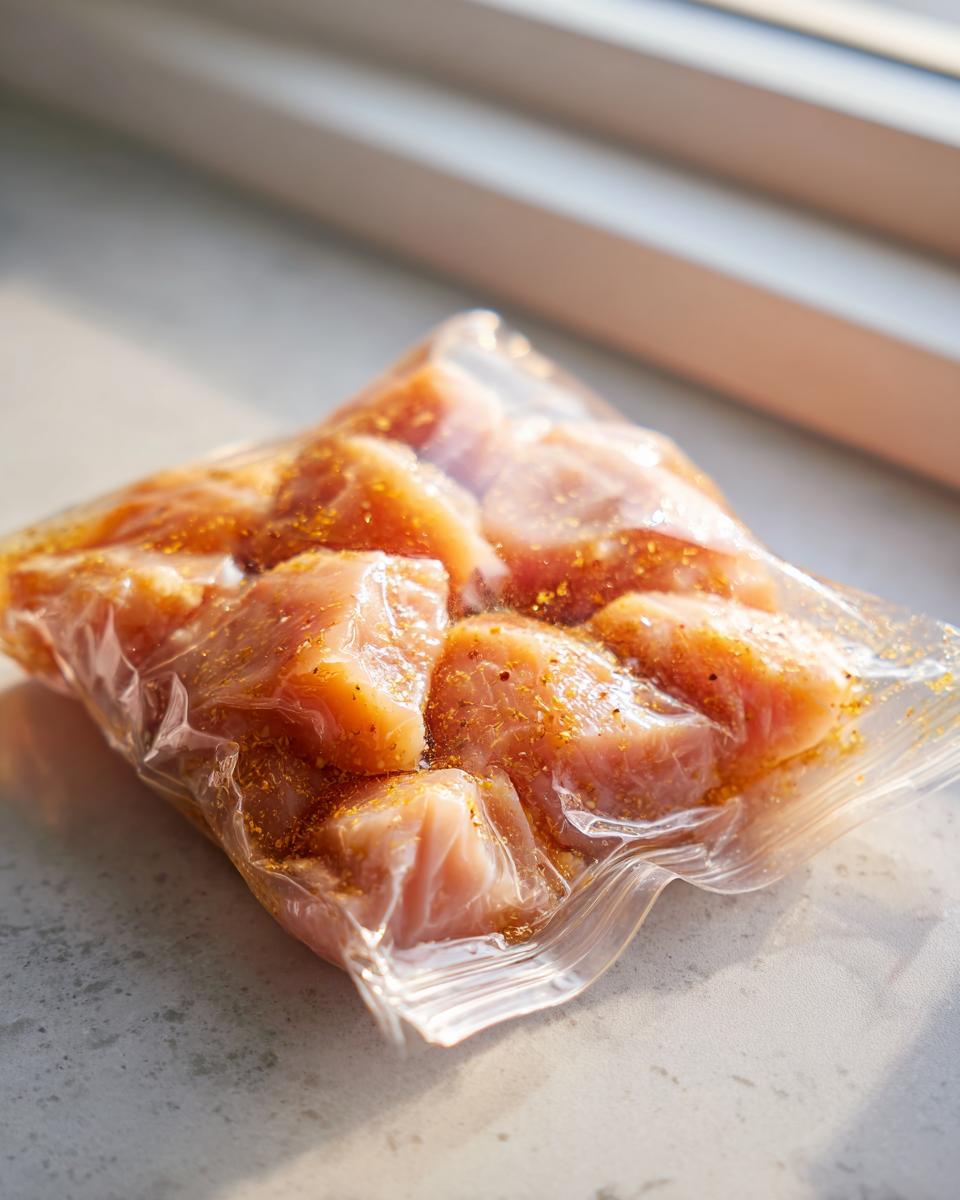
Timing here is everything, honestly. I know you want a **Quick Marinade for Chicken** because weeknights are hectic. If you’re really pressed, 30 minutes in the fridge will give you a little boost of flavor and moisture. That’s the absolute minimum, or you’re just soaking it in flavored oil!
But here’s the crucial part: don’t push it past eight hours, especially with chicken breasts. That beautiful lemon juice starts to get aggressive, and you’ll end up with meat that feels mushy and grainy, which defeats the whole purpose of making it juicy! For the best flavor penetration and a truly tender result, aim for 2 to 4 hours. Set a timer on your phone; it’s easy to get distracted!
Cooking Methods for Your Perfectly Marinated Chicken
This is where the flexibility of this amazing **chicken marinade** really shines. Because we got the balance of acid and oil just right, this seasoning works beautifully whether you’re using high, direct heat or a gentle, slow oven bake. You never have to change the actual marinade recipe, which saves so much time!
When you’re ready to cook, remember that crucial step: get rid of the excess liquid before it hits the pan or grill. Water creates steam, and steam stops browning. Here’s a quick rundown on how I handle the three most common methods for achieving perfectly cooked chicken.
- Baking: I love this for chicken breasts because it’s easiest for meal prep. Get your oven hot—400°F (200°C)—and lay the chicken on a wire rack set on top of a baking sheet. This allows air to circulate around the whole piece. It usually takes about 18 to 22 minutes for medium breasts, depending on thickness. If you want crispy skin results, you can check out my guide for baked chicken wings for general high-heat skin tips!
- Pan-Searing: This is fast and gives you that beautiful golden crust. Make sure your skillet is hot before adding a little fresh oil. Sear for about 5 to 7 minutes per side, depending on the cut. The key here is medium heat; too high and that oregano will burn before the inside cooks!
- Air Frying: If you’re looking for crispy edges without the grill mess, this marinade is fantastic in the air fryer. You’ll want about 12 to 15 minutes at 375°F (190°C). It mimics a sort of convection bake, locking in that moisture.
Tips for Grilled Chicken Marinade Success
Ah, grilling. Nothing beats that smoky char! If you’re using this as your **Grilled Chicken Marinade** base, make sure you oil those grates *very* well before they even get hot, or the protein residue from the soy sauce might stick right away.
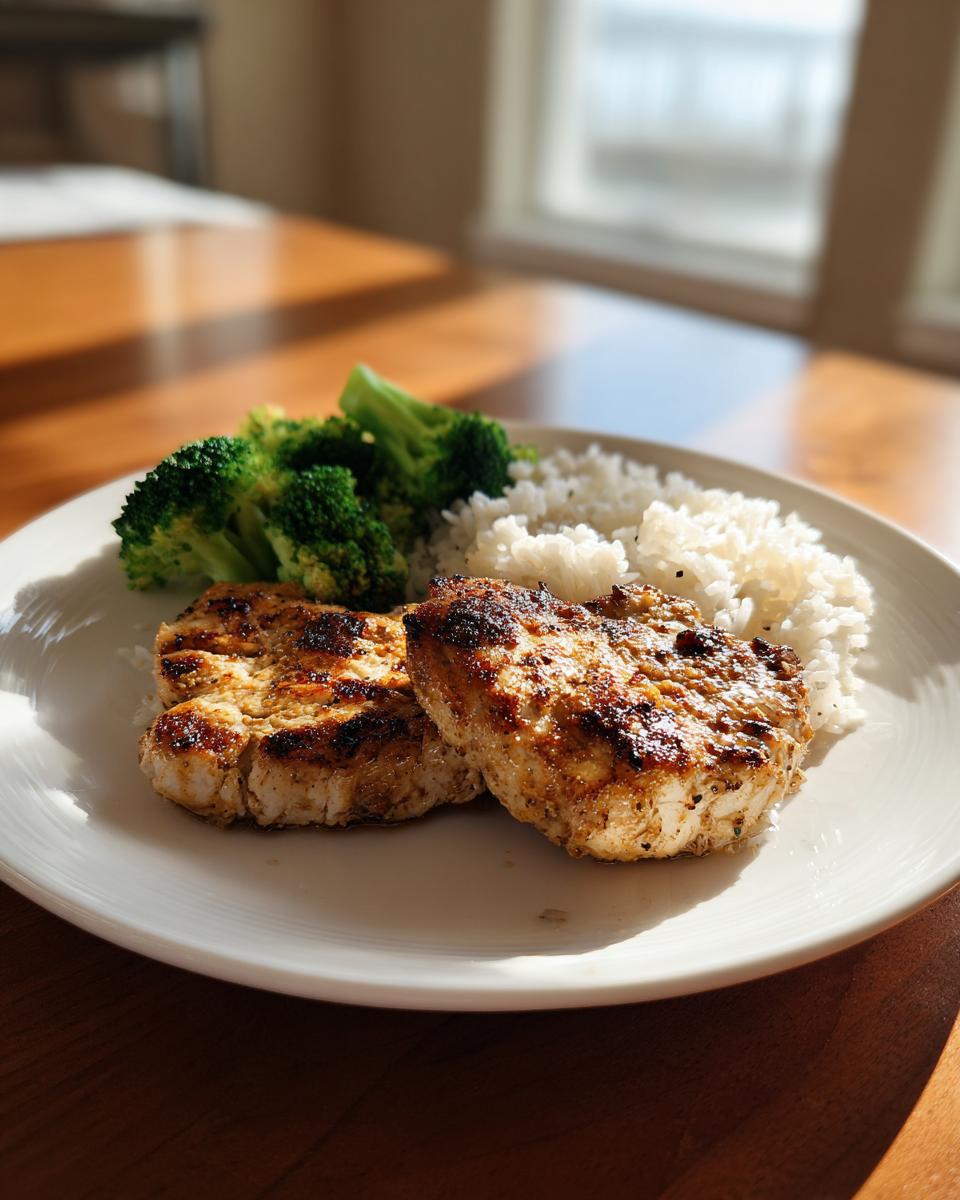
Now, for the flavor boost! You read in the notes that you can reserve a tiny bit of the un-touched marinade, right? Don’t use it as a pure dipping sauce later, as it contained raw meat. But, during the last two minutes of grilling when the chicken is almost done, I brush a light layer of that reserved mix over the top just to refresh the herbs and make it look glossy. That finishing touch takes the flavor up a notch, making it taste like you fussed all day!
Make Ahead Chicken Marinade and Freezer Friendly Tips
One of the huge benefits of sticking with the best **chicken marinade** formula is its flexibility for planning ahead. Honestly, half the battle on a busy weeknight is just having the ingredients ready to go for dinner, right? This recipe is built for that!
I preach about meal prep constantly because having something delicious already waiting for you is a game-changer for sticking to healthy eating goals. If you’re planning for quick weeknight dinners, this marinade is your new best friend. You can mix up the marinade ingredients—the oil, lemon, spices, what have you—and keep it sealed up tight in the fridge for up to three full days before you even buy the chicken!
But let’s talk about freezing, because this is where you can really win the weekly planning war.
- The Freezing Method: You aren’t just freezing the chicken bare; you’re freezing it already sitting in the marinade. I use sturdy, freezer-safe zip-top bags for this. Add your chicken (breasts or thighs are perfect for this), pour the whole batch of marinade over top, squeeze out every bit of air you can, and seal it flat.
- Laying it Flat: Freezing it flat is key so it doesn’t turn into one giant, unusable brick of frozen poultry! You can stack several flat bags on top of each other in the freezer. This allows the marinade to really soak in while it’s cold, which is a lovely slow tenderizing process.
- Thawing Safely: When you realize you need chicken for dinner tomorrow, just pull the sealed bag out of the freezer right before you go to bed and stick it on a plate in the fridge. It thaws safely overnight, and by morning, it’s ready to cook or just needs that final quick pat dry before heading to the grill. It’s so simple!
It’s the little tricks like freezing things that save my sanity when I’m swamped. Even if you aren’t planning that far ahead, this marinade keeps things tasting great for the next day! (Though for breakfast staples, I stick to my other go-to recipes entirely, of course.)
Flavor Variations for Your All Purpose Chicken Marinade
See, this is the real gold, right here! Once you master the base ratios—the oil, the acid, the salt—you can turn this single recipe into practically anything! Why bother hunting down ten different recipes when you can just make a few tweaks to create one spectacularly Flavorful Chicken Marinade?
I treat the formula above as the universal building block. You’ve got the salt and the oil base locking in the moisture. Now we just swap spices and liquids to take the chicken wherever we want to go! It saves so much time, and honestly, these little adjustments always taste fresher than bottled sauces.
Here are a few ways I pivot this into crowd-pleasers:
- For a Bright Lemon Herb Vibe (Think Greek!): Ditch the Dijon mustard entirely. Instead, amp up the oregano to 2 teaspoons and add 1 teaspoon of dried thyme and maybe 1/2 teaspoon of dried rosemary. If you have fresh dill, throw in a tablespoon! Swap half the lemon juice for white wine vinegar for an extra tang.
- For a Smoky Mexican Twist: Keep the Dijon and oregano. In place of the red pepper flakes, use 1 teaspoon of chipotle powder, 1 teaspoon of cumin, and maybe 1/2 teaspoon of smoked paprika. If you have lime juice, use that instead of lemon—it makes the flavor pop instantly. You can even use my Carne Asada guide for inspiration on heat levels!
- For a Sweet & Savory BBQ Feel: This one requires adding a spoonful or two of brown sugar (if you have some leftover from baking) and swapping the soy sauce for Worcestershire sauce. A dash of liquid smoke (if you have it) really pushes it into that smoky BBQ profile, even if you’re just pan-searing indoors.
The possibilities are really endless once you get comfortable playing with spices. Just remember to keep the oil-to-acid ratio roughly balanced, and you’ll always end up with tender, flavorful chicken!
Storage and Reheating Instructions for Marinated Chicken
Okay, we’ve covered marinating and cooking brilliantly, but what happens the next day? Because this marinade is so rich in flavor and fat, leftover chicken actually tastes even better the following day once those herbs have had time to really settle in!
The way you store your cooked chicken makes a huge difference in its texture the next day. If you sliced the chicken thin right after cooking, it tends to dry out faster. I always try to let large pieces (like whole cooked breasts or thighs) rest whole until just before I’m ready to eat them again.
For simple storage, you just need an airtight container. This chicken is great in the fridge for about three to four days. If you stored it right after cooking while it was still warm, give it a good 30 minutes to cool down before sealing the container, otherwise, you risk steaming the outside and making it soggy!
Keeping It Juicy: Reheating Tips for Leftover Chicken
Reheating is where most people accidentally ruin perfectly good leftovers. If you blast it in the microwave on high, I guarantee you’ll get tough edges. We want gentle warmth here!
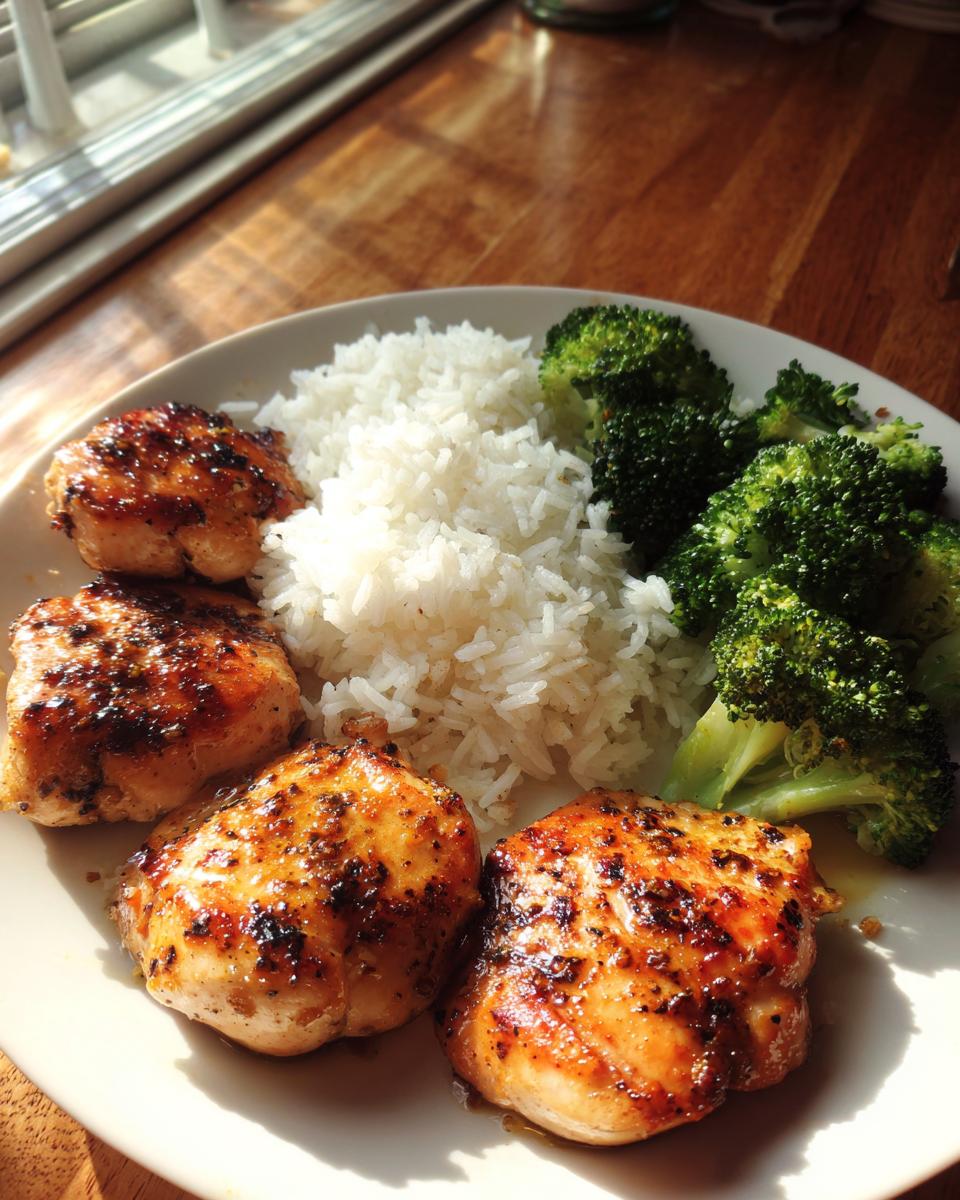
My absolute favorite way to bring this chicken back to life is in a tiny bit of liquid. If you made a pan sauce or just have some leftover broth, toss the sliced chicken in a skillet with just a tablespoon or two of that liquid over medium-low heat. Cover it tightly with a lid and let it steam gently for about 4 to 5 minutes. That tiny bit of moisture keeps everything incredibly succulent.
If you’re using the oven, that’s great too. Wrap the pieces loosely in foil—don’t seal them tight, or they’ll steam—and set the oven to a low 300°F (150°C). Give it about 10 to 12 minutes. They come out warm, tender, and full of the leftover herb flavor. It works beautifully in salads, wraps, or just plain after that gentle reheating!
Frequently Asked Questions About Chicken Marinade
I get so many questions about this recipe, which tells me you all are serious about ditching dry chicken! Since this is my staple, I figured I’d tackle the most common ones right here. Remember, the goal is always that **juicy chicken marinade recipe** result, no matter what changes you make!
Can I use this marinade on chicken thighs or wings instead of breasts?
Absolutely! This is why I call it the best **All Purpose Marinade**. Honestly, chicken thighs are almost foolproof because they have more fat, meaning they stay juicy even if you cook them a little too long. Wings absorb flavor wonderfully. The main adjustment you have to make is timing! Thighs and wings can definitely handle the full 4 to 8 hours of marinating time, whereas breasts need that limit. Just be sure to adjust your cooking time based on the cut you choose!
What if I don’t have any fresh lemon juice on hand?
Oh, the classic pantry scramble! If you are truly out of fresh lemons, you can substitute the juice with an equal amount of either fresh lime juice or distilled white vinegar. They both provide that necessary acidity to tenderize and brighten the flavor. Just be careful, as vinegar can sometimes be harsher than lemon. If you use vinegar, I would strongly suggest sticking to the shorter marinating window—around 2 hours maximum. It’s one of the things that separates a **Simple Chicken Marinade** from a disaster!
How long is too long to use this chicken marinade?
This is vital information! Because this **chicken marinade** uses acid (lemon juice), you absolutely have a cutoff point. For chicken breasts (the leaner cut), never exceed 8 hours. If you leave it longer, those proteins get totally broken down, and the texture gets weirdly soft—we call it mushy! For tougher cuts like bone-in thighs, you can push it to 12 hours, but I still advise checking after 8. It’s always better to have the chicken under-marinated than over-marinated.
Can I use this same mix as a healthy chicken marinade base?
Yes, you can totally adapt it! Since this version already uses olive oil, it’s already much healthier than ones swimming in mayonnaise or heavy sugar. If you need to cut fat further, you can reduce the olive oil by about a quarter cup and replace that volume with water or low-sodium chicken broth. You’ll lose a little bit of the internal moisture barrier, but it will still be incredibly flavorful!
If you have any other tricky questions, please send them my way via my contact page. I love hearing how you’re all experimenting!
Share Your Best Chicken Marinade Creations
My absolute favorite part of sharing these kitchen secrets is hearing how they turn out in *your* homes! Seriously, whether you stuck strictly to the directions, or you turned this into a gorgeous spicy Greek **flavorful chicken marinade**, I want to know all about it.
Please, if this recipe saved you from another bland dinner, do me a huge favor and click those stars above to give it a solid five! And then hop down to the comments below and tell me two things:
- What cooking method did you use (Grill, Air Fryer, or Stove)?
- What specific tiny flavor tweak did you invent that you think I should try next time?
It’s those little twists—the unexpected spice or the unique way you charred the edges—that make home cooking so much fun. You can always check out the official rules regarding sharing and usage on my Terms of Use page, but mostly, I just want to cheer you on.
Remember, that’s what Seventh Flavour is all about. It’s not just about the salty, savory flavor of the oil and soy sauce; it’s about the feeling you get when you pull that perfectly juicy, aromatic chicken off the heat. That feeling of success, that connection to making something delicious for the people you love—that’s the real taste we’re chasing! Happy cooking, everyone!
PrintThe BEST All-Purpose Chicken Marinade for Juicy, Flavorful Chicken
This is the foundational chicken marinade you need for tender, juicy results every time. It uses simple pantry staples and works for grilling, baking, or pan-searing chicken breasts or thighs.
- Prep Time: 10 min
- Cook Time: 20 min
- Total Time: 30 min
- Yield: 4 servings 1x
- Category: Main Course
- Method: Marinating
- Cuisine: American
- Diet: Low Fat
Ingredients
- 1/2 cup olive oil
- 1/4 cup fresh lemon juice
- 3 tablespoons soy sauce
- 2 tablespoons Dijon mustard
- 1 tablespoon dried oregano
- 1 teaspoon garlic powder
- 1 teaspoon onion powder
- 1 teaspoon salt
- 1/2 teaspoon black pepper
- 1/4 teaspoon red pepper flakes (optional)
Instructions
- Combine all marinade ingredients in a medium bowl or a sealable plastic bag. Whisk or shake well until the mixture is fully combined.
- Place 1.5 to 2 pounds of chicken (breasts, thighs, or wings) into the marinade. Ensure the chicken is fully coated.
- Refrigerate the chicken for at least 30 minutes. For best results and maximum tenderness, marinate for 2 to 4 hours. Do not marinate for more than 8 hours, especially with lemon juice.
- Remove the chicken from the marinade and discard the remaining liquid. Pat the chicken slightly dry before cooking.
- Cook the chicken using your preferred method: grill over medium heat, bake at 400°F (200°C), or pan-sear until the internal temperature reaches 165°F (74°C).
Notes
- This marinade is excellent for meal prep. You can prepare it up to three days ahead and store it in the refrigerator.
- For freezer-friendly preparation, place the chicken and marinade together in a freezer-safe bag and freeze flat. Thaw overnight in the refrigerator before cooking.
- If you are grilling, reserve a small amount of the marinade (before adding raw chicken) to brush on during the last few minutes of cooking for extra flavor.
Nutrition
- Serving Size: 4 oz chicken (after marinating)
- Calories: 210
- Sugar: 1
- Sodium: 550
- Fat: 16
- Saturated Fat: 2
- Unsaturated Fat: 14
- Trans Fat: 0
- Carbohydrates: 2
- Fiber: 0
- Protein: 15
- Cholesterol: 50