

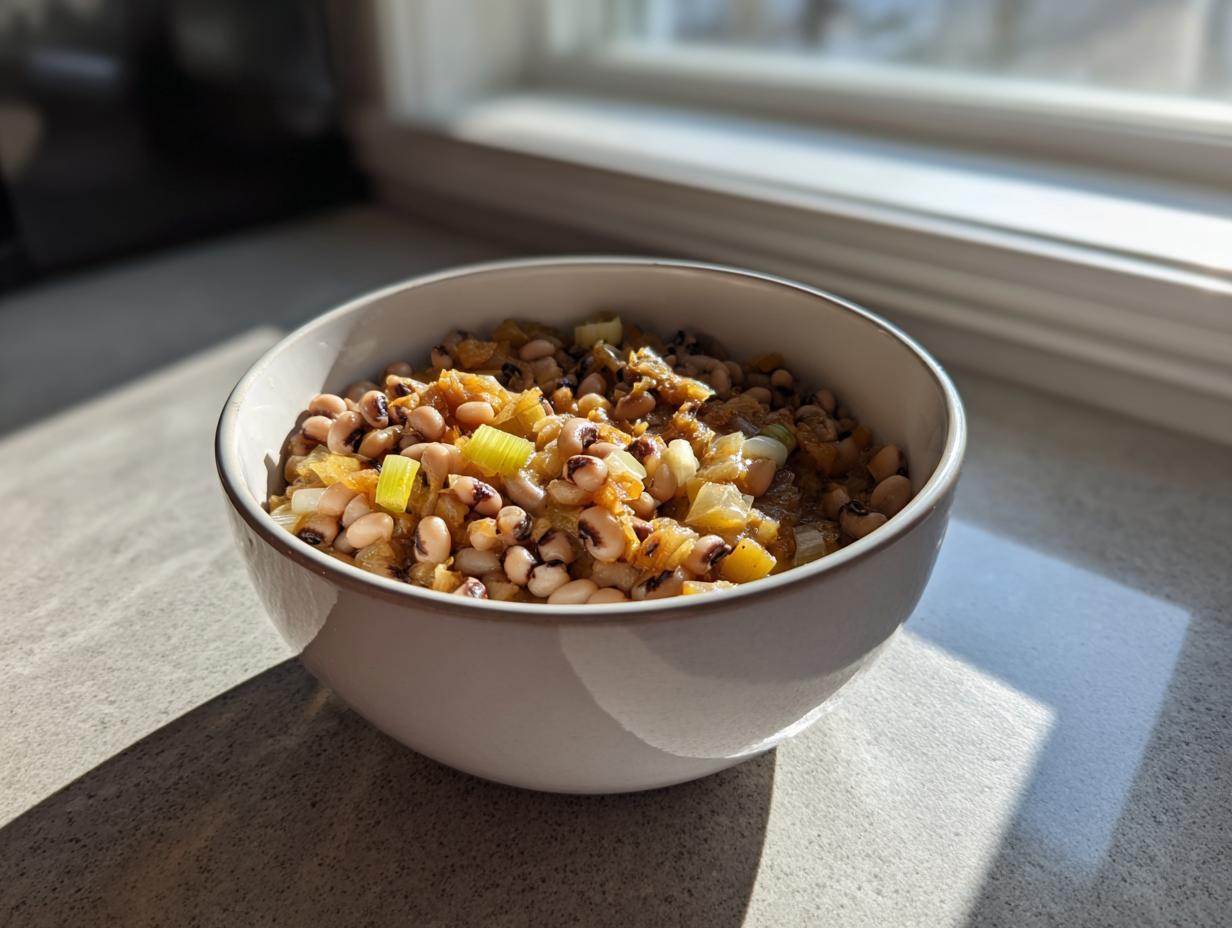
If you’re looking for a true taste of soulful cooking—the kind that hugs you from the inside out—you’ve found it. When I moved out of the city and started testing recipes like this one, I realized that the magic of Southern comfort food hinges on deep, slow-cooked flavor. That’s exactly what we achieve here with these Classic Southern Black Eyed Peas. The secret sauce? A good smoked ham hock that simmers right along with the dried peas, transforming simple legumes into something incredibly rich and savory. Trust me, these smoky, tender black eyed peas are going to become your new favorite comforting side dish, no matter the season!
- Why You Will Love This Southern black eyed peas recipe
- Gathering Your Ingredients for Classic black eyed peas
- Expert Tips for Perfect black eyed peas Texture and Flavor
- Step-by-Step Instructions for One Pot black eyed peas
- Serving Suggestions for these Savory Seasoned Peas
- Storage and Reheating Instructions for Leftover black eyed peas
- Making black eyed peas for New Years good luck food
- Frequently Asked Questions about black eyed peas
- Nutritional Estimate for black eyed peas
- Serving Suggestions for these Savory Seasoned Peas
- Storage and Reheating Instructions for Leftover black eyed peas
- Making black eyed peas for New Years good luck food
- Frequently Asked Questions about black eyed peas
- Nutritional Estimate for black eyed peas
Why You Will Love This Southern black eyed peas recipe
When I talk about this recipe, I sound like a broken record because it delivers every single time! There’s a reason Southern cooking is so beloved—it takes simple ingredients and uses time and smoke to build layers of unbelievable taste. This is more than just beans; it’s your new favorite comfort food legumes staple.
- Unbeatable Depth of Flavor: That ham hock is not optional, friends! It melts down into the cooking liquid, creating a smoky, savory broth that coats every single pea.
- Perfect for Good Luck: We make these religiously on New Year’s Day. It’s a simple way to honor the tradition and invite prosperity into the next year.
- Incredibly Easy One Pot Method: Honestly, once you layer the ingredients, you just walk away! It’s mostly hands-off cooking in one single pot.
- Authentic Texture Achieved: We nail that perfect savory seasoning while keeping the peas tender and slightly creamy without being mushy.
- A True Traditional Southern Side Dish: This hits all the right notes—it pairs perfectly with cornbread, roasted chicken, or whatever you put on the table.
- Freezes Beautifully: Make a big batch because these taste even better as leftovers the next day!
Gathering Your Ingredients for Classic black eyed peas
Before we even think about turning on the stove, let’s make sure our pantry is stocked. This recipe is beautifully straightforward, relying heavily on the quality of the few items we use. Remember, when you keep the ingredient list short, every single flavor has to pull its weight! That means the ham hock is our superstar here; it’s providing that essential smoked backbone, so try to find a good one.
You’ll need:
- 1 pound dried black eyed peas, rinsed and picked over (Don’t skip picking them over—we don’t want any tiny rocks in our comfort food!)
- 1 smoked ham hock (The flavor king!)
- 6 cups water or low-sodium chicken broth
- 1 large yellow onion, chopped
- 2 celery stalks, chopped
- 2 cloves garlic, minced
- 1 teaspoon smoked paprika
- 1/2 teaspoon dried thyme
- 1 bay leaf
- 1 teaspoon salt (I always start low because the hock adds a lot!)
- 1/2 teaspoon black pepper
- 1 tablespoon apple cider vinegar (This brightens everything up right at the end!)
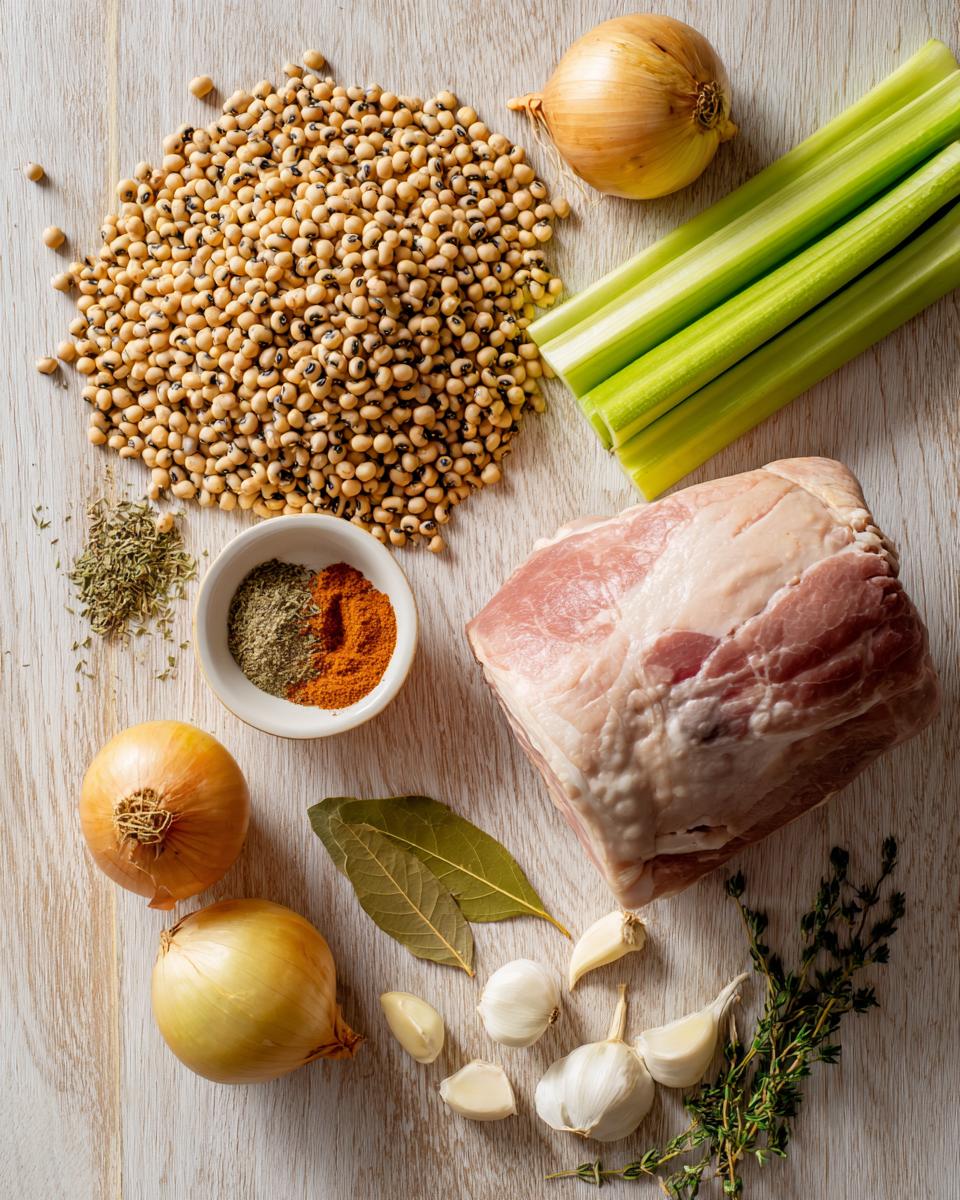
That’s it! Simple, classic, and ready to simmer into perfection. Have your chopping done before you start, and you’ll be ready to go in under fifteen minutes.
Expert Tips for Perfect black eyed peas Texture and Flavor
Look, anyone can boil beans, but making **black eyed peas** that taste like they’ve been simmering on a back porch all day? That takes a few tricks! Achieving that ideal tender texture—the kind that makes them a truly great creamy black eyed peas side dish—is all about technique, not just the clock. First, you absolutely must rinse and pick over your dried peas. I know, I know, it feels tedious, but finding a tiny pebble ruins the whole experience. Then, we rely on time. Two hours of low, gentle simmering allows the starch to release, giving you that luscious, thick pot liquor.
The ham hock does most of the heavy lifting here, slowly kissing the peas with smoke and salt as it cooks. Don’t rush this, or they’ll be tough. If you are trying to replicate this smoky quality, listen up!
Choosing the Right Smoked Meat for your black eyed peas
The ham hock is my absolute recommendation for depth, but I know people sometimes struggle to find them. If you use bacon, use a good chunk of it and render it first before adding the liquids. Smoked turkey legs or wings work beautifully too, offering that same richness without as much grease as a hock. Just make sure whatever you choose is already smoked; that’s where the soul of this dish comes from!
Step-by-Step Instructions for One Pot black eyed peas
Alright, let’s get these gorgeous **black eyed peas** cooking! Since we’re aiming for that incredible, complex broth, we are using the stovetop method here in one big pot. Make sure you’ve rinsed those peas—I’m serious about that part! Now, grab your largest Dutch oven or soup pot because we are piling it high with flavor right from the start.
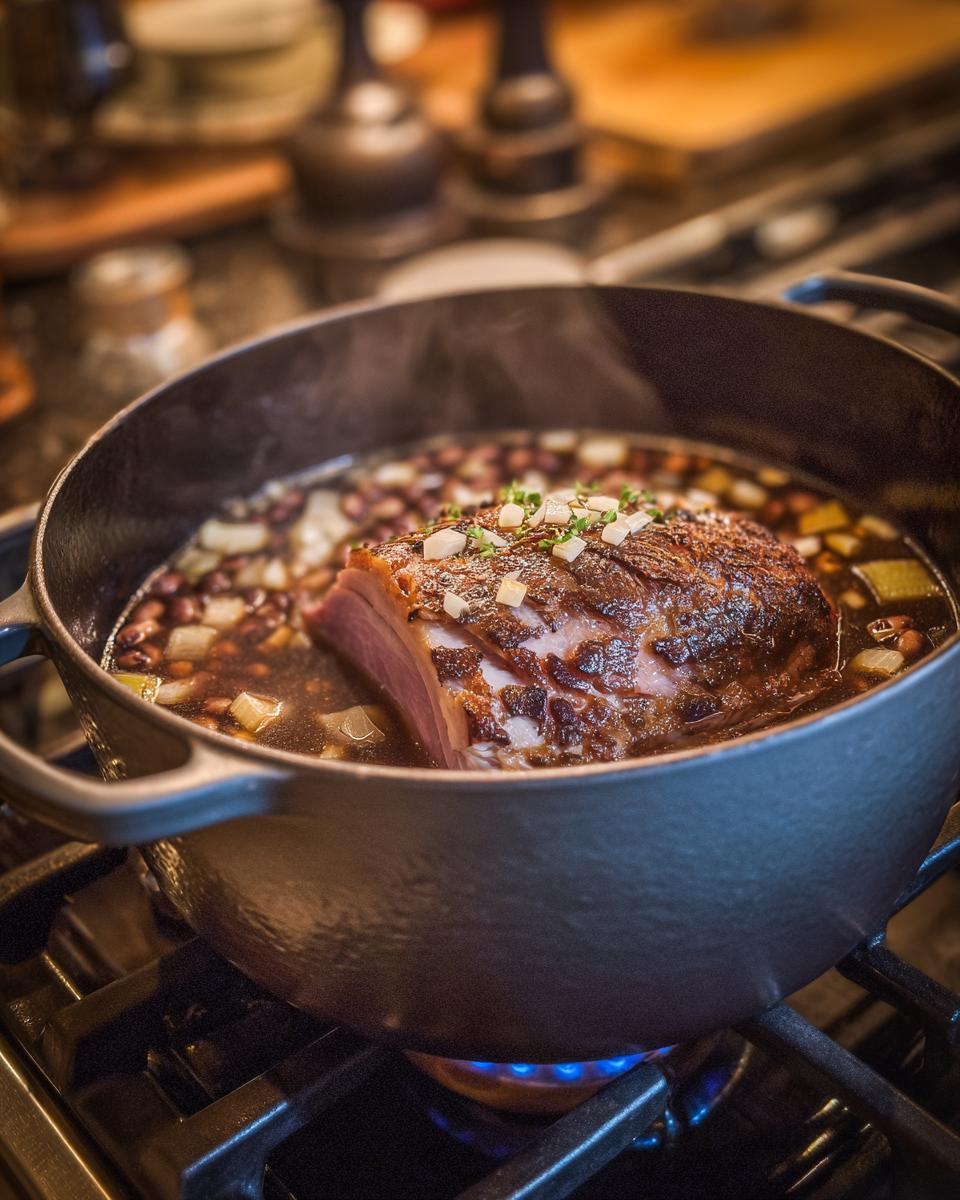
- Toss everything into that big pot: the rinsed peas, the whole ham hock, your water or broth, the onion, celery, garlic, paprika, thyme, and that lucky bay leaf.
- Get the heat up to medium-high and bring the entire mixture to a nice, rolling boil. Watch it closely so it doesn’t boil over when it gets going!
- Once it’s bubbling happily, immediately turn the heat way down low. We want a gentle simmer, not a frantic boil. Cover the pot and let it work its magic for about 1.5 to 2 hours. Stir every 30 minutes or so just to make sure nothing is sticking to the bottom.
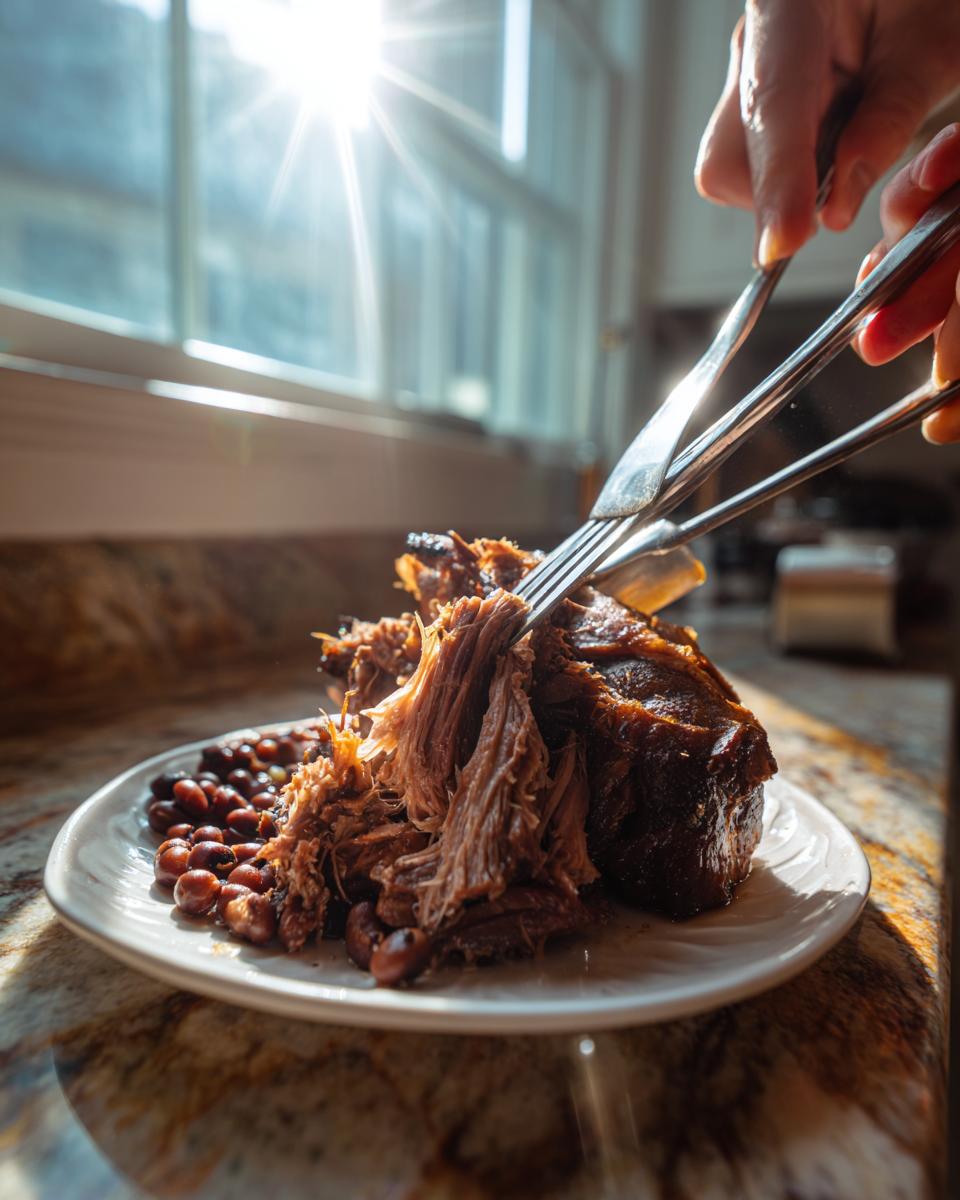
- When the peas are completely tender—you can smash one easily between two fingers—it’s time for the cleanup! Take out that ham hock and the bay leaf. Carefully shred all that beautiful, smoky meat off the bone. Toss the bone and any large chunks of fat you don’t want, and return the shredded meat to the pot.
- Now we season! Stir in your salt, pepper, and that little splash of apple cider vinegar. Taste it here! It needs to taste perfect *before* we thicken it up.
- Let this simmer uncovered for about 10 more minutes. This thickens the glorious cooking liquid, which we call pot liquor.
If you need faster cleanup after dinner, check out how I do my one-pot meals when I’m short on time!
Achieving Creaminess in your black eyed peas
If you want those restaurant-quality **creamy black eyed peas side dish** results, here is the crucial step! Right after you taste and season them (Step 5), take about 1/4 cup of the peas and mash them vigorously against the side of the pot with the back of your spoon. Stir those mashed bits back in. This releases the starches and naturally thickens the broth without needing any flour or cornstarch, giving you that velvety mouthfeel true Southern cooks aim for.
Serving Suggestions for these Savory Seasoned Peas
These aren’t just a side; they are the foundation of a great meal! Because we’ve gone the route of using the ham hock for deep flavor, these **savory seasoned peas** really shine next to anything crisp or slightly sweet. My absolute favorite way to serve them is alongside some freshly made, slightly sweet cornbread. Seriously, sop up every bit of that pot liquor!
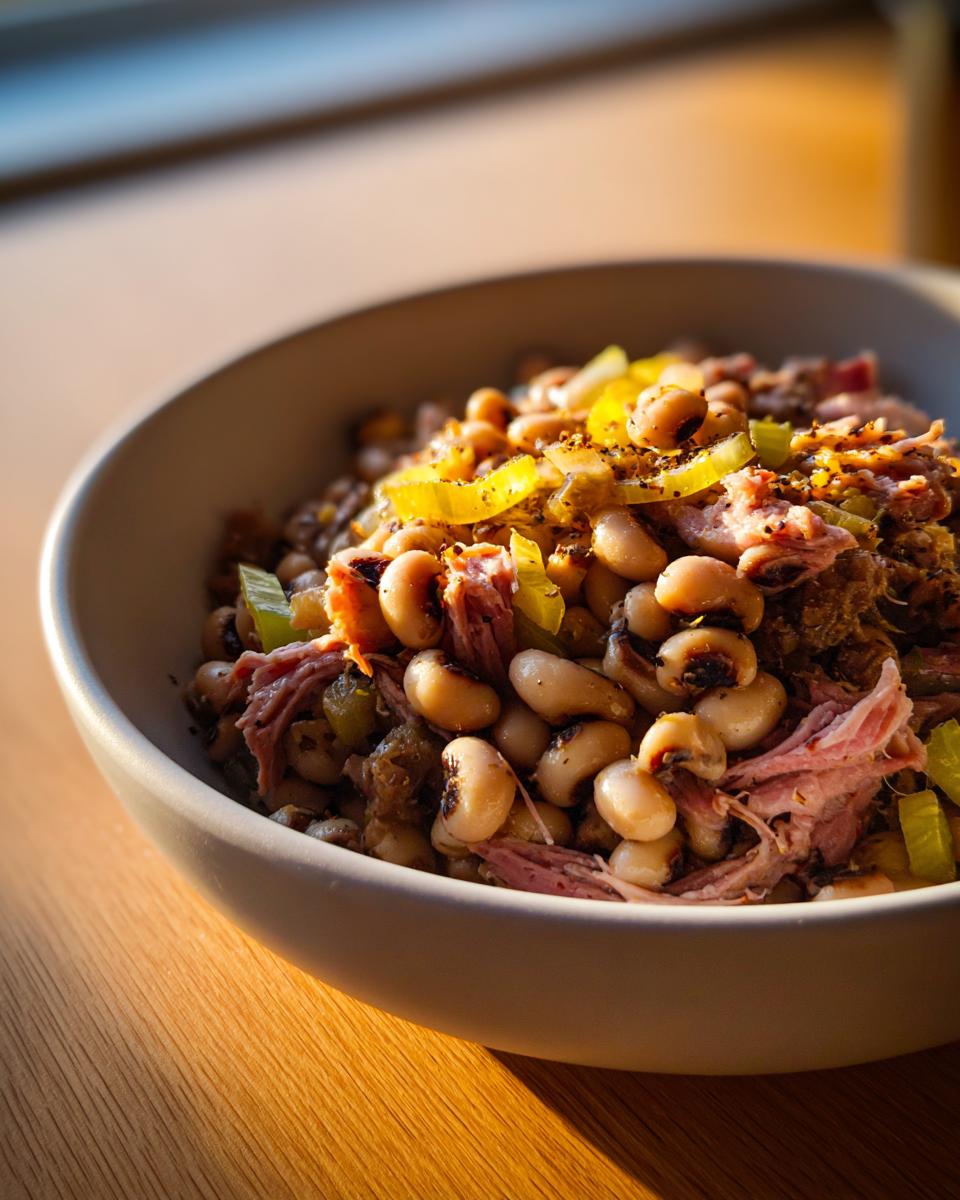
They are fantastic paired with mustard greens or collard greens—that’s classic Southern plating right there. If you are making a full spread, they are the perfect savory anchor next to baked chicken or slow-cooked pulled pork. And if you are feeling decadent, a dollop of hot sauce on top brings everything to life. Don’t forget to plan dessert; I usually serve these with my famous apple bread pudding!
Storage and Reheating Instructions for Leftover black eyed peas
I’m going to let you in on a little secret that every Southern cook knows: these **black eyed peas** are exponentially better on Day Two! The flavors of the smoked meat, thyme, and earthiness of the beans meld overnight in the fridge. Store leftovers in an airtight container for up to 4 days. When reheating, I recommend adding a small splash of water or broth before you start on the stovetop, just to loosen things up a bit.
If you need to freeze them, make sure you remove the ham hock bone entirely first. Freeze them in smaller, single-serving containers. They reheat beautifully from frozen in about 15 minutes. These are just as good as my favorite leftover repurposing meals do!
Making black eyed peas for New Years good luck food
If you’re making these peas anytime other than New Year’s Day, you’re just making fantastic comfort food. But when January 1st rolls around, these beans shift into their sacred role as **New Years good luck food**! The tradition is simple but serious: you must eat black eyed peas on New Year’s Day to ensure prosperity and good fortune for the coming year. The pennies they sometimes resemble are said to bring you money!
It’s just part of the tradition, like eating cabbage for wealth or pork for progress. For the best luck, these peas should be served alongside greens (for green paper money!) and usually cornbread. I always make a huge pot because why tempt fate? It’s a sweet, soulful way to welcome a fresh start, and honestly, knowing it’s good luck just makes them taste even better!
If you love New Year’s traditions, check out my recipe for King Cake, another truly celebratory dish!
Frequently Asked Questions about black eyed peas
Can I make this a vegetarian black eyed peas recipe?
You absolutely can! Since the ham hock is our main source of smoke and savory notes, you’ll swap it out for vegetable broth. To mimic that smoky depth for your **vegetarian black eyed peas**, add 1 teaspoon of liquid smoke right along with the broth. They will still be delicious healthy pea recipes!
How long does it take to cook dried black eyed peas?
When cooking dried **black eyed peas** low and slow, plan for about 1.5 to 2 hours of simmering time after the initial boil. The most important thing is texture, though. They are done when they are fully tender and starting to break down slightly, so use your teeth, not just the clock!
Can I use canned black eyed peas instead of dried?
Yes, you can speed things up dramatically! Skip the 2-hour simmer. Instead, sauté your aromatics (onion, celery) with the spices, add your broth, and simmer for just 20 minutes to build flavor. Then, stir in two cans of drained and rinsed peas and simmer for just 10 more minutes to heat through and absorb flavor. That’s a great option for an **easy black eyed peas** fix!
Nutritional Estimate for black eyed peas
When we look at the nutrition for these hearty **black eyed peas**, we see they pack a serious punch of fiber and protein, which is why they are such satisfying healthy pea recipes. Keep in mind that the sodium content is largely influenced by the saltiness of your ham hock, so always taste before adding extra salt!
- Serving Size: 1 cup cooked
- Calories: 280
- Sugar: 2g
- Sodium: 450mg (Adjust based on ham hock saltiness)
- Fat: 5g
This estimate doesn’t account for any added salt or oil you might use during serving/reheating. Please remember these are just baseline numbers!
Serving Suggestions for these Savory Seasoned Peas
These aren’t just a side; they are the foundation of a great meal! Because we’ve gone the route of using the ham hock for deep flavor, these **savory seasoned peas** really shine next to anything crisp or slightly sweet. My absolute favorite way to serve them is alongside some freshly made, slightly sweet cornbread. Seriously, sop up every bit of that pot liquor!
They are fantastic paired with mustard greens or collard greens—that’s classic Southern plating right there. If you are making a full spread, they are the perfect savory anchor next to baked chicken or slow-cooked pulled pork. And if you are feeling decadent, a dollop of hot sauce on top brings everything to life. Don’t forget to plan dessert; I usually serve these with my famous apple bread pudding!
Storage and Reheating Instructions for Leftover black eyed peas
I’m going to let you in on a little secret that every Southern cook knows: these **black eyed peas** are exponentially better on Day Two! The flavors of the smoked meat, thyme, and earthiness of the beans meld overnight in the fridge. Store leftovers in an airtight container for up to 4 days. When reheating, I recommend adding a small splash of water or broth before you start on the stovetop, just to loosen things up a bit.
If you need to freeze them, make sure you remove the ham hock bone entirely first. Freeze them in smaller, single-serving containers. They reheat beautifully from frozen in about 15 minutes. These are just as good as my favorite leftover repurposing meals do!
Making black eyed peas for New Years good luck food
If you’re making these peas anytime other than New Year’s Day, you’re just making fantastic comfort food. But when January 1st rolls around, these beans shift into their sacred role as **New Years good luck food**! The tradition is simple but serious: you must eat black eyed peas on New Year’s Day to ensure prosperity and good fortune for the coming year. The pennies they sometimes resemble are said to bring you money!
It’s just part of the tradition, like eating cabbage for wealth or pork for progress. For the best luck, these peas should be served alongside greens (for green paper money!) and usually cornbread. I always make a huge pot because why tempt fate? It’s a sweet, soulful way to welcome a fresh start, and honestly, knowing it’s good luck just makes them taste even better!
If you love New Year’s traditions, check out my recipe for King Cake, another truly celebratory dish!
Frequently Asked Questions about black eyed peas
You know how it is—you make a recipe you love, and suddenly everyone in the family has a question about substitutions or shortcuts! I’ve gathered the questions I get asked most often about making these **black eyed peas** at home. Don’t worry if you need to tweak them for diet or time; we can usually find a delicious way around any hurdle.
Can I make this a vegetarian black eyed peas recipe?
You absolutely can! Since the ham hock is our main source of smoke and savory notes, you’ll swap it out for vegetable broth. To mimic that smoky depth for your **vegetarian black eyed peas**, add 1 teaspoon of liquid smoke right along with the broth. They will still be delicious healthy pea recipes!
How long does it take to cook dried black eyed peas?
When cooking dried **black eyed peas** low and slow, plan for about 1.5 to 2 hours of simmering time after the initial boil. The most important thing is texture, though. They are done when they are fully tender and starting to break down slightly, so use your teeth, not just the clock!
If I use canned peas, how much time do I save?
Oh, this is the classic shortcut question! If you use canned instead of dried, you skip the 2-hour simmer completely. Just build your flavor base with the onion, celery, and spices, add your broth, simmer for 20 minutes to deepen the flavor, then stir in the canned peas at the end just to heat them through. You cut the time down to about 45 minutes total, making it a great **easy black eyed peas** option!
Do I really need that splash of vinegar at the end?
Yes, please don’t skip the vinegar! It might seem strange to add acid to savory beans, but trust me here. That tiny bit of apple cider vinegar cuts through the richness of the ham hock and brightens up all those earthy flavors. It makes the whole dish taste fresher and deeper, preventing it from tasting flat.
Nutritional Estimate for black eyed peas
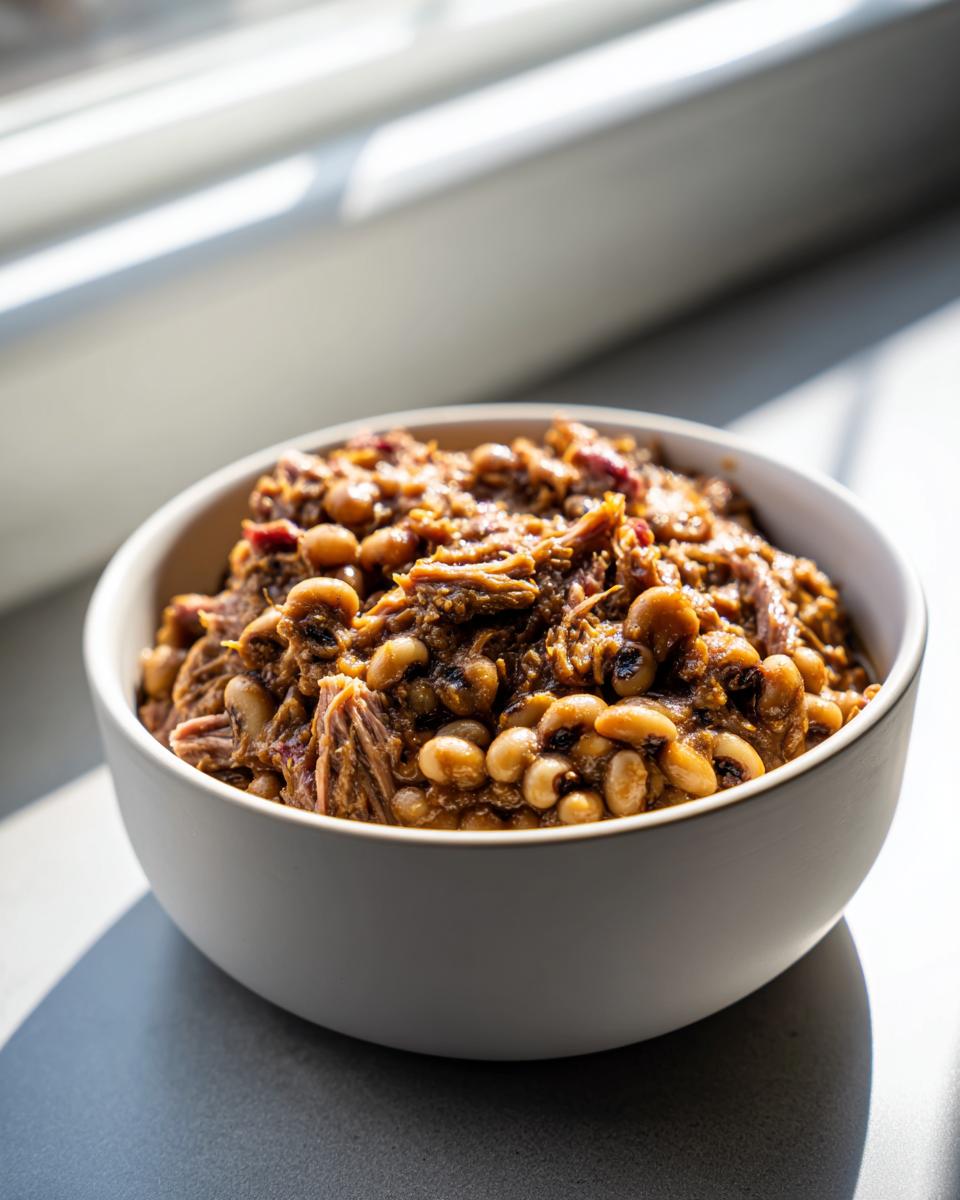
When we look at the nutrition for these hearty black eyed peas, we see they pack a serious punch of fiber and protein, which is why they are such satisfying healthy pea recipes. Keep in mind that the sodium content is largely influenced by the saltiness of your ham hock, so always taste before adding extra salt!
- Serving Size: 1 cup cooked
- Calories: 280
- Sugar: 2g
- Sodium: 450mg
- Fat: 5g
This estimate doesn’t account for any added salt or oil you might use during serving/reheating. Please remember these are just baseline numbers based on standard ingredient brands!
PrintClassic Southern Black Eyed Peas with Ham Hock
Make rich, smoky Southern Black Eyed Peas using a ham hock for deep flavor. This recipe delivers classic comfort food texture and seasoning, perfect for family dinners or New Year’s tradition.
- Prep Time: 15 min
- Cook Time: 2 hours
- Total Time: 2 hours 15 min
- Yield: 6 servings 1x
- Category: Side Dish
- Method: Stovetop Simmering
- Cuisine: Southern American
- Diet: Low Fat
Ingredients
- 1 pound dried black eyed peas, rinsed and picked over
- 1 smoked ham hock
- 6 cups water or low-sodium chicken broth
- 1 large yellow onion, chopped
- 2 celery stalks, chopped
- 2 cloves garlic, minced
- 1 teaspoon smoked paprika
- 1/2 teaspoon dried thyme
- 1 bay leaf
- 1 teaspoon salt (or to taste)
- 1/2 teaspoon black pepper
- 1 tablespoon apple cider vinegar
Instructions
- Place the rinsed black eyed peas, ham hock, water or broth, onion, celery, garlic, smoked paprika, thyme, and bay leaf into a large pot or Dutch oven.
- Bring the mixture to a boil over medium-high heat.
- Once boiling, reduce the heat to low, cover the pot, and let it simmer gently for 1.5 to 2 hours, or until the peas are tender. Stir occasionally to prevent sticking.
- Remove and discard the bay leaf and the ham hock. Shred any usable meat from the ham hock and return it to the pot. Discard the bone and excess fat.
- Stir in the salt, pepper, and apple cider vinegar. Taste and adjust seasoning as needed.
- For a creamier texture, you can mash about 1/4 cup of the peas against the side of the pot and stir them back in.
- Simmer uncovered for another 10 minutes to allow the flavors to meld. Serve hot as a hearty side dish.
Notes
- For an easy vegan version, omit the ham hock and use vegetable broth. Add 1 teaspoon of liquid smoke for a smoky note.
- If you prefer a faster method, use 2 cans (15 ounces each) of drained and rinsed black eyed peas, adding them during the last 30 minutes of simmering.
- These peas taste even better the next day after the flavors have fully developed.
Nutrition
- Serving Size: 1 cup cooked
- Calories: 280
- Sugar: 2
- Sodium: 450
- Fat: 5
- Saturated Fat: 1.5
- Unsaturated Fat: 3.5
- Trans Fat: 0
- Carbohydrates: 45
- Fiber: 12
- Protein: 15
- Cholesterol: 15