

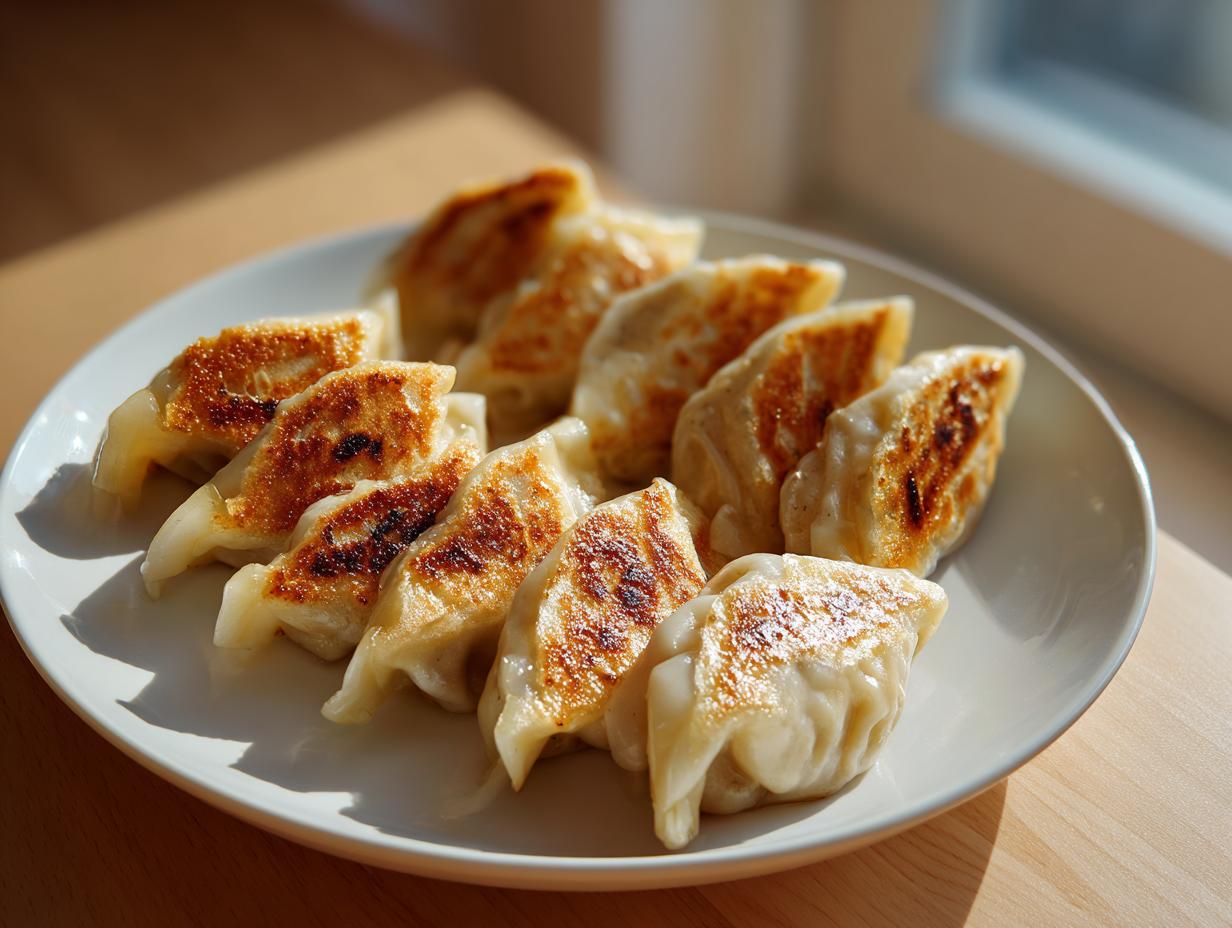
There’s nothing quite like sitting down to a plate piled high with perfectly pleated, steaming parcels of comfort food, is there? For me, that feeling—that deep sense of nostalgia and connection—is the true Seventh Flavour. Forget those flimsy, frozen things; we’re making Traditional Chinese Dumplings that taste exactly like they should: hearty, flavourful, and made with absolute care.
I spent months testing and re-testing my approach to making Homemade Chinese Dumplings from Scratch, focusing only on time-honored techniques for the classic Jiaozi style. In the Seventh Flavour kitchen, inspired by the dedication to connection Aria Sterling built, we believe in real food, perfected through rigorous home-testing. This isn’t some rushed weeknight version; this is the definitive guide to achieving that exquisite, slightly chewy wrapper and perfectly seasoned filling that truly honors this incredible dish. You can read more about our journey and testing philosophy over at our story page.
If you’re ready to ditch the takeout menus and finally master the craft, you’ve come to the right place. This recipe is built on dedication, ensuring you have the confidence to nail the dough, the filling, and the fold every single time.
- Why This is the Authentic Chinese Dumpling Recipe You Need
- Perfect Dumpling Dough Recipe for Traditional Chinese Dumplings
- Crafting the Classic Pork and Cabbage Dumpling Filling
- How to Make Traditional Jiaozi: Shaping and Folding Guide
- Chinese Meat Dumplings Cooking Methods: Boiling vs. Potstickers
- Best Dipping Sauce for Dumplings and Serving Suggestions
- Storage and Reheating Instructions for Homemade Dumplings
- Frequently Asked Questions About Traditional Chinese Dumplings
- Understanding the Seventh Flavour in Traditional Chinese Food Recipes
Why This is the Authentic Chinese Dumpling Recipe You Need
I know you’ve probably seen a hundred different recipes out there claiming to be the best, but this one truly cuts through the noise. I developed this recipe using classic Northern Chinese techniques because, honestly, shortcuts rarely deliver that deep satisfaction we chase.
- We use a traditional flour-and-water dough that gives you that fantastic, slightly resilient chew—it’s foolproof!
- The filling hits that perfect balance of savoury pork cut with the freshness of Napa cabbage, sticking closely to the established flavour profile of great Traditional Chinese Dumplings.
- I walk you through the folding step-by-step, so you stop worrying about them bursting open when they hit the water or the pan.
This dedication to classic Jiaozi preparation ensures you get that comforting, reliable result you’re looking for.
Perfect Dumpling Dough Recipe for Traditional Chinese Dumplings
Okay, let’s talk dough, because this is where so many people take a wrong turn right at the start. The wrapper quality dictates everything about your Traditional Chinese Dumplings experience—it needs to be strong enough to hold the filling yet tender around the edges.
I rely on a very high-ratio dough—just two cups of all-purpose flour mixed with exactly 3/4 cup of warm water. Any less water, and it’ll be tough to bring together; too much, and you get mush. Mix it until it looks shaggy, then turn it out onto the counter. Next comes the real work: kneading. I beat that dough for a solid 8 to 10 minutes. I use a bit of pressure and really push through it until it feels smooth and springs back slightly when poked. Trust me, this develops the necessary elasticity. Then, and this is critical, you MUST cover it with a damp cloth and let it rest for at least 30 minutes. That resting period allows the gluten to relax, making it infinitely easier to roll out thin wrappers later. If you’re looking for other dough deep-dives, you might enjoy how I treat the dough for my classic crusty baguette—it’s about respecting the structure!
Tips for Handling Homemade Chinese Dumplings from Scratch Dough
Once you rest the dough, you’ll be busy with the cabbage and pork, so we need to keep the dough happy. Divide it into four sections, but keep the sections you aren’t actively working with tightly covered. If the dough dries out even a little, it cracks when you try to roll it thin. That’s the problem with making Homemade Chinese Dumplings from Scratch—you have to work in stages! I often keep the dough balls covered under an overturned bowl while I roll out the others. If you notice it getting stiff, just rub a tiny drop of water on the surface or use your rolling pin more firmly to re-activate the moisture.
Crafting the Classic Pork and Cabbage Dumpling Filling
Now we get to the heart of the matter: the filling for our Traditional Chinese Dumplings! I’ve tested creamy fillings, vegetable-heavy fillings, and a million spice combinations, but nothing beats the classic pork and cabbage mix. The secret here isn’t just the ratio (1:1 is perfect), it’s how we handle that watery cabbage!
You must chop your Napa cabbage finely and spread it in a bowl with just a half teaspoon of salt. Let that sit for about 15 minutes. The salt draws the moisture right out. Then, grab handfuls and squeeze! I mean squeeze hard—you want dry cabbage shreds, or you’ll end up with watery soup inside your perfectly sealed dumpling. After that, combine that squeezed cabbage with your ground pork and all those seasonings. The absolute key to developing that great, bouncy texture for excellent Traditional Chinese Dumplings is mixing the pork vigorously in one direction only. Keep going until the whole mixture looks sticky and uniform. Seriously, keep mixing; it transforms the texture! If you’re interested in how developing texture works in other meats, I talk about high-friction mixing in my pulled pork guide, too.
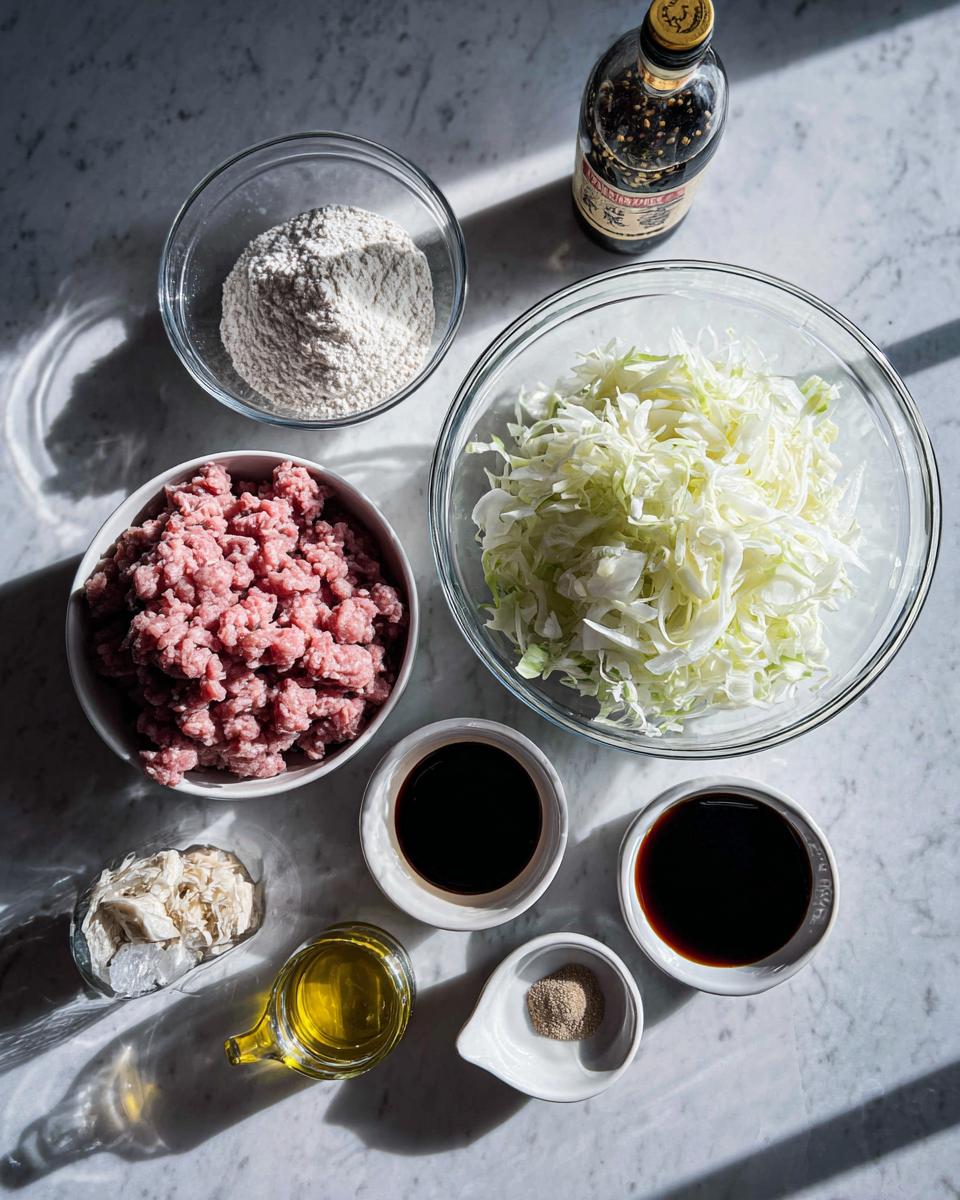
Ingredient Clarity for Authentic Seasoning Profile
Getting the seasonings right brings out the true character of this Classic Pork and Cabbage Dumpling Filling. Don’t eyeball these amounts—they’re carefully balanced!
- Use a full tablespoon of good soy sauce for umami depth.
- A tablespoon of Shaoxing rice wine is non-negotiable; it cuts through the richness of the pork and gives that signature aromatic note crucial for authentic flavor.
- Don’t skip the fresh grated ginger; it brightens everything up!
- Finish with a teaspoon of sesame oil and a half teaspoon of white pepper.
This combination ensures your filling sings without overpowering the delicate flavor of the meat and cabbage.
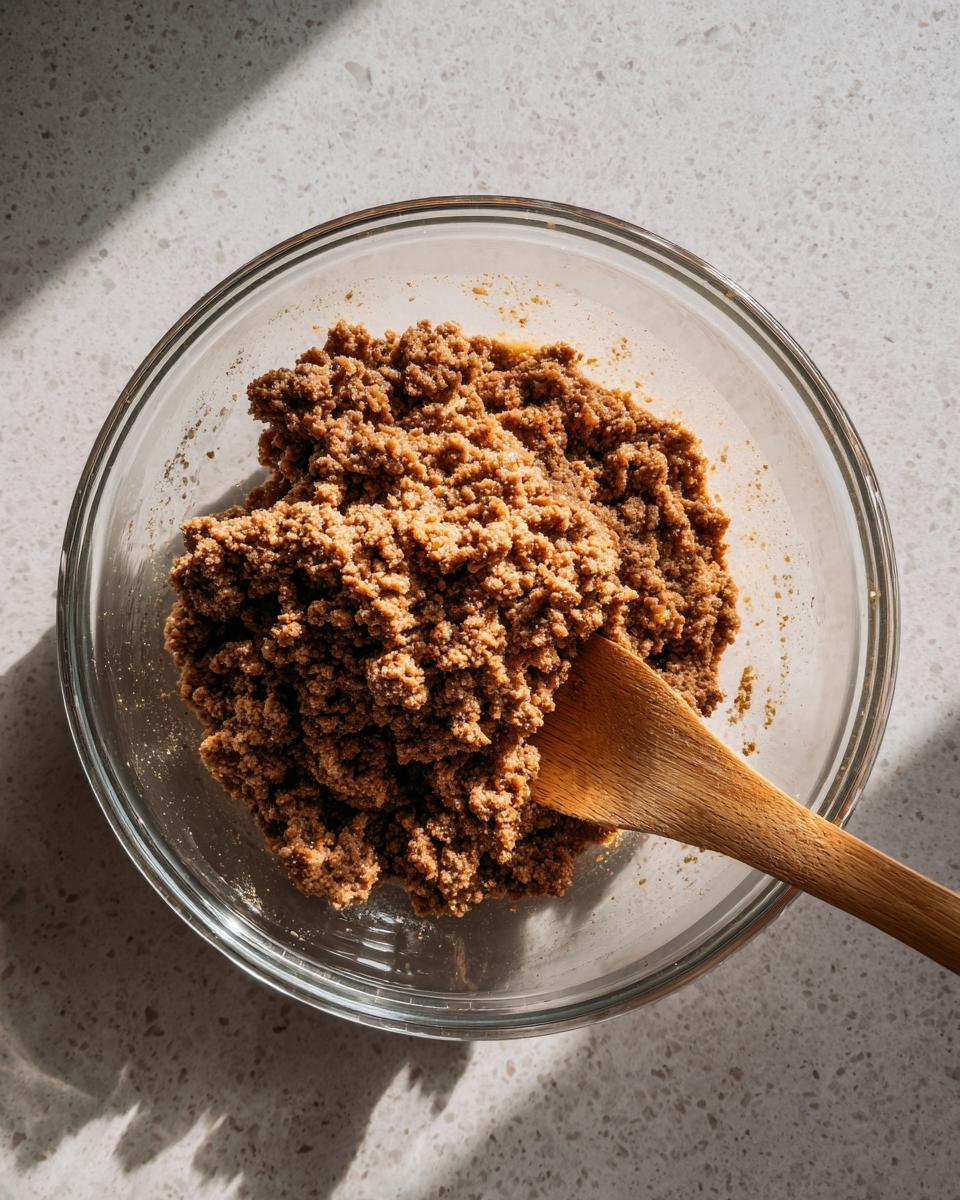
How to Make Traditional Jiaozi: Shaping and Folding Guide
The moment of truth! We’ve made the dough perfect, and the filling is sticky and fantastic. Now comes the part that looks tricky but will become second nature after you make about ten of these. This process is key to mastering How to Make Traditional Jiaozi!
First, take those little dough balls you rested and roll them out. I aim for a wrapper about 3 inches across. Here’s the crucial step: keep the center of the circle slightly thicker than the edges. The thick center acts as a reinforcement, so your wrapper doesn’t tear when you boil it, but the thin edges seal beautifully. That slight difference is your Easy Dumpling Folding Guide secret!
Next, place just a teaspoon of filling right in the middle—don’t overstuff it, please! Moisten the edge halfway around with a dab of water. Fold it into a half-moon, then start pleating. I aim for about five small, tight pleats along one side, pressing them firmly against the flat, unpleated back edge. It’s therapeutic, honestly. My favorite is the simple crescent shape; it honors the tradition perfectly. Once you get the hang of it, you’ll fly through this step! You’re essentially creating a little sealed pocket of deliciousness.
Chinese Meat Dumplings Cooking Methods: Boiling vs. Potstickers
We’ve sealed up our gorgeous fillings, and now you have a choice to make—are these going into the water, or are they getting that gorgeous, crispy sear? Both methods work beautifully for Traditional Chinese Dumplings, but they offer totally different textural experiences. I’ve used both countless times, sometimes even serving both at the same dinner party!
For boiling, you need a giant, actively rolling boil. Drop your dumplings in gently and give them a slow stir so they don’t cling to the pot bottom. The trick here is the cold water shock: once the water returns to a boil, add a half cup of cold water. You repeat that cold water addition two more times. After the third boil cycle, they’ll float up, looking plump and done. That usually takes about 8 to 10 minutes total. If you want that perfect crispy bottom, you’ll want to use the potsticker method, which is my personal favorite for an extra layer of texture!
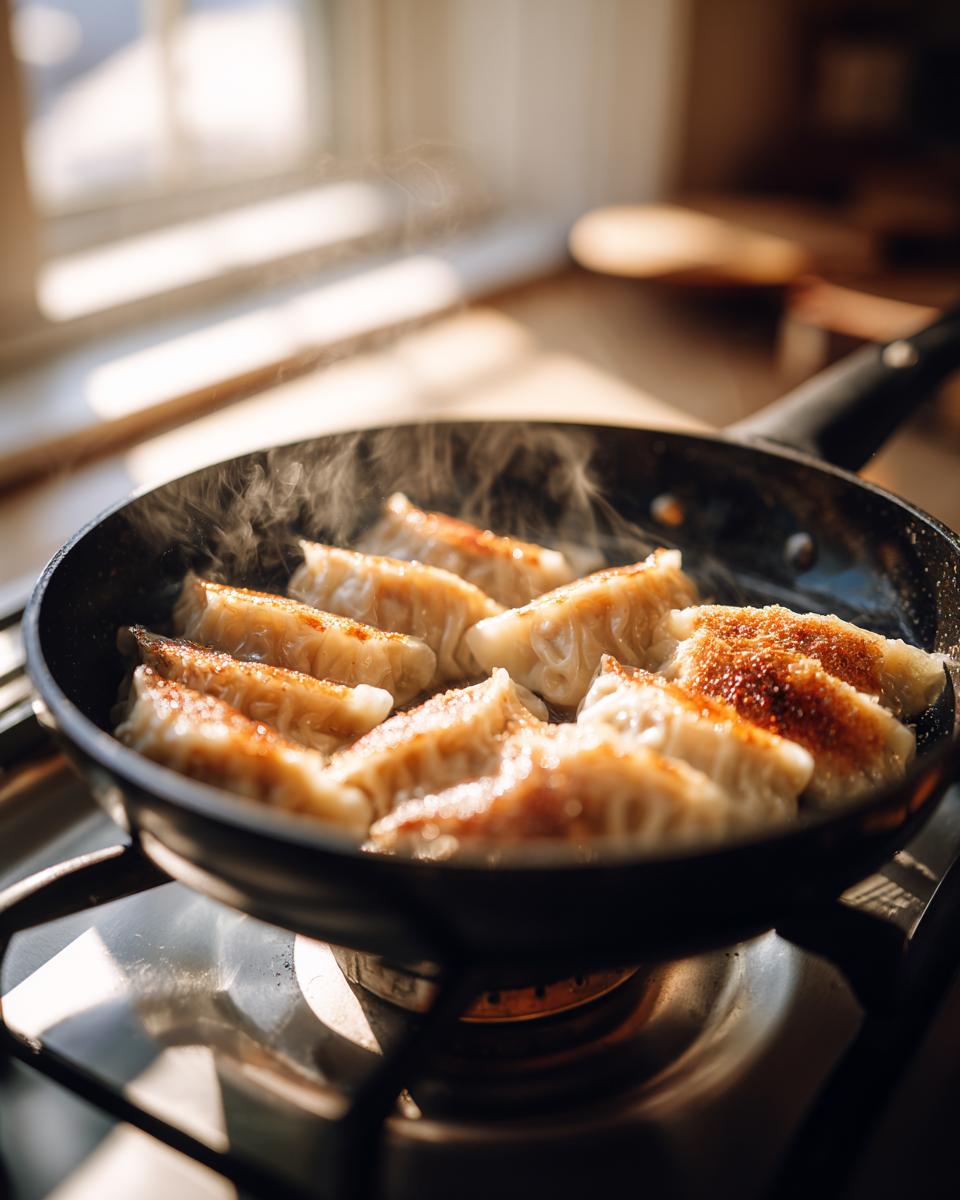
Achieving Crispy Bottoms with the Chinese Potsticker Technique
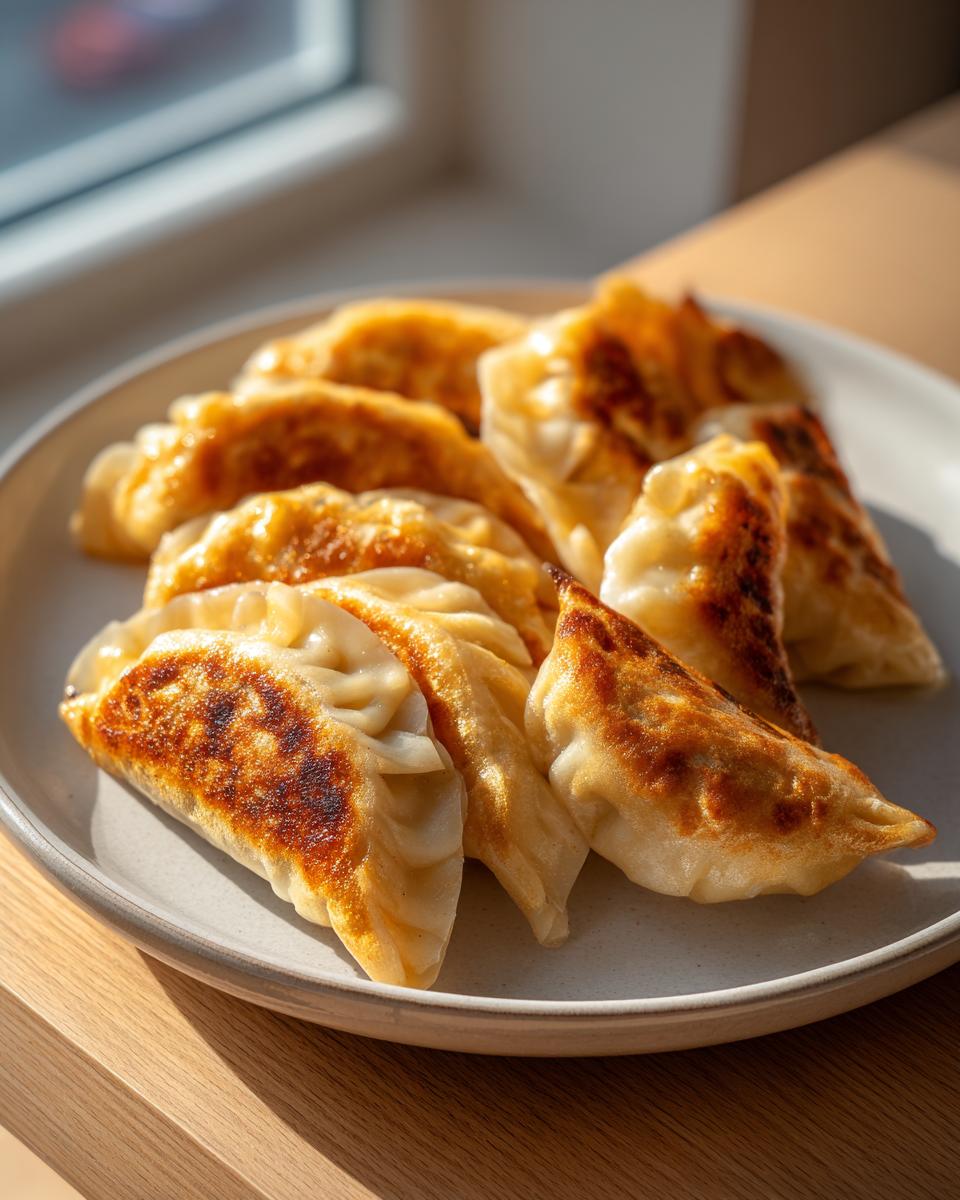
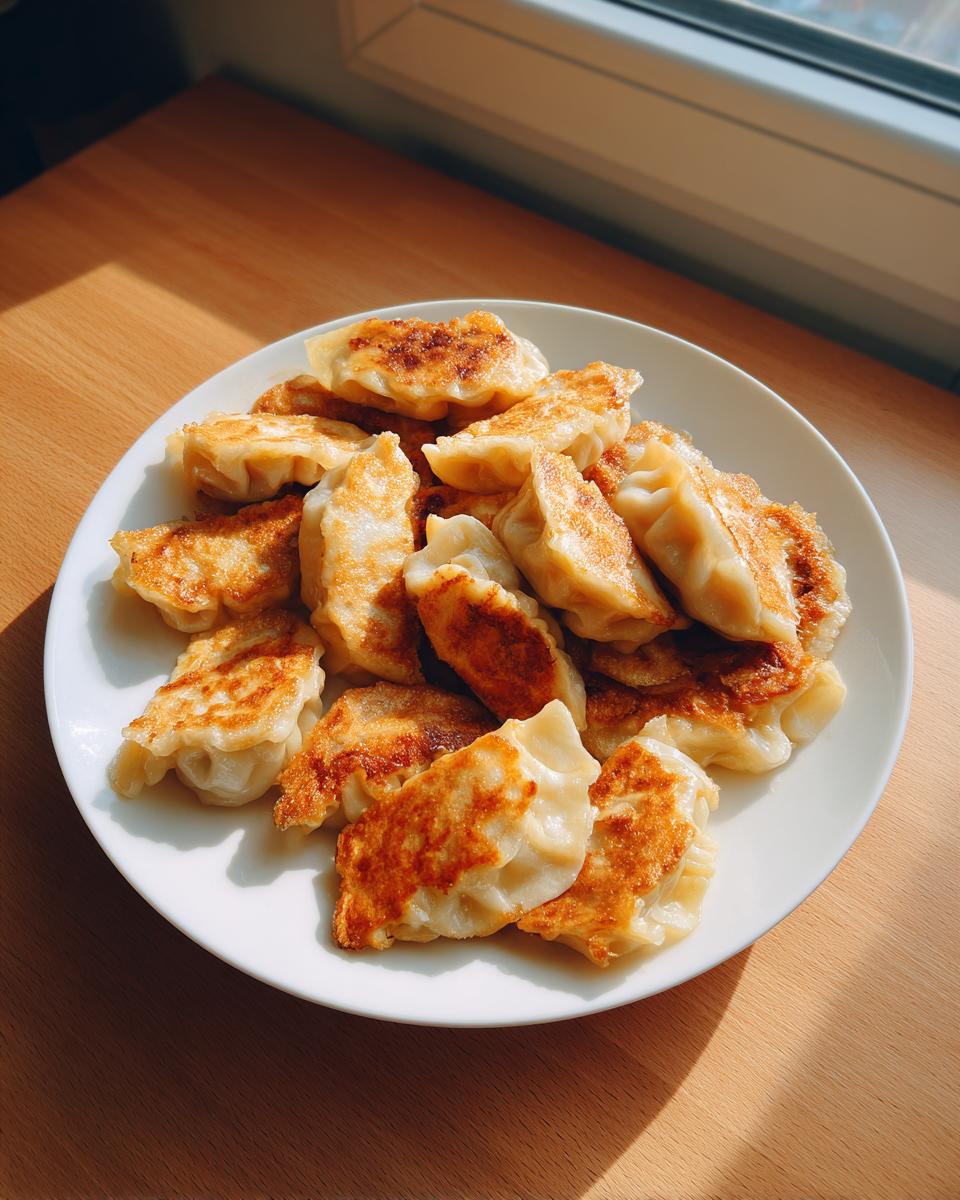
Man, that sizzle when the dumplings hit the hot oil is the best sound! Heat up a tablespoon of vegetable oil in a good non-stick skillet over medium-high heat. Place those dumplings flat-side down, ensuring they aren’t touching too much. Let them fry for about two or three minutes until those bottoms turn a beautiful golden brown. Then, pour in about a half cup of water right away—careful, it will steam up! Cover the pan immediately and drop the heat to medium. Steam them like this for six to eight minutes. Don’t peek too much! This combination of frying and steaming is essential in the Chinese Potsticker Technique.
Best Dipping Sauce for Dumplings and Serving Suggestions
What’s a perfect dumpling without something tangy and sharp to cut through that rich pork filling? Honestly, the perfect counterbalance is so simple, you’ll wonder why you ever bought that pre-made jarred stuff! For the Best Dipping Sauce for Dumplings, I stick to the classic trio that sings alongside Jiaozi.
Just combine three parts soy sauce with one part black vinegar—I prefer Chinkiang vinegar if you can find it! Then stir in just a tiny splash of sesame oil and, if you like a little kick, a few chili flakes. That’s it! It takes thirty seconds, and it tastes miles better than anything store-bought. When serving, I often blanch some simple greens, like bok choy, toss them with a little garlic and oyster sauce, and serve that alongside the heap of dumplings. It makes the whole meal feel balanced, and you can check out my quick vegetable hack if you want crispy green sides instead!
Storage and Reheating Instructions for Homemade Dumplings
You’ve made forty beautiful dumplings, and your tummy (and your partner’s!) is full. What about the rest? Don’t worry, storing these beauties is easy, provided you do one thing first!
For uncooked leftovers, you absolutely must freeze them on a baking sheet first, spaced apart. This is called flash freezing, and it stops them from turning into one giant, frozen dumpling brick. Once they are rock solid—maybe an hour—toss them into a sealed bag. To cook them from frozen, I just toss them right into boiling water, adding an extra minute or two to the cooking time. They handle freezing like a dream!
Reheating leftovers? If you have boiled ones, I find the best method is a gentle steam. If you have leftover potstickers, reheat them in a lightly oiled pan over medium-low heat with just a tiny splash of water, covered, until hot through. That brings back the crispy bottom texture perfectly!
Frequently Asked Questions About Traditional Chinese Dumplings
I get so many questions after people try making these for the first time! I totally get it; mastering any Traditional Chinese Dumplings recipe takes a little practice. Here are a few things I’m asked most often about getting these Jiaozi just right.
Can I use store-bought wrappers instead of making the dough?
Oh yes, of course you can! While I LOVE the texture of my homemade dough, sometimes you just need a shortcut, especially when you’re trying to churn out a huge batch of Traditional Chinese Dumplings. Store-bought round wrappers work just fine. Just make sure you’re buying the thinner kind meant for boiling or pan-frying, not the thick wonton wrappers. They are thinner and cook much better. Keep them covered with a damp towel while you work so they don’t dry out!
What are the best substitutions for pork in the filling?
This recipe is super adaptable, which is part of the beauty of it! If you don’t eat pork, ground chicken works wonderfully—it tends to be a bit leaner, so I add just a touch more sesame oil to keep it moist. Shrimp is another fantastic option. If you use shrimp, chop it roughly instead of grinding it so you get those nice bites of seafood texture. Veggie-lovers can use finely chopped mushrooms (shiitake are amazing here) mixed with tofu, pressed very dry, of course, to replace the meat bulk.
How do I get the texture for a Steamed Chinese Dumpling Recipe using this base?
It’s easy! If you want that softer, steamed texture rather than boiled or crispy, you just need to change the cooking technique slightly. Skip the boiling water and the pan-fry entirely. Line your steamer basket—bamboo is best—with parchment paper (punch a few holes in the paper first so the steam can circulate). Place the dumplings inside, ensuring they aren’t touching, and steam them over vigorously boiling water for about 10 to 12 minutes. They’ll puff up beautifully and have that tender, delicate wrapper!
What’s the trick to keeping the filling moist if I use turkey instead of pork?
Leaner meats like turkey or skinless chicken tend to dry out faster because they lack fat, which is flavor insurance! When substituting with turkey, I highly recommend adding about a tablespoon of vegetable oil extra to the filling mix, just like I recommend in the recipe. Also, make sure your cabbage is squeezed so dry that you can almost wring dust out of it; any excess water will cook out as steam and make the lean meat taste chalky. For more ideas on quick meals, check out my easy breakfast ideas!
Understanding the Seventh Flavour in Traditional Chinese Food Recipes
Honestly, there is something magical about finally making something truly authentic from scratch. When those Traditional Chinese Dumplings come out of the steamer perfectly pleated, you’re not just tasting pork and cabbage, are you? You’re tasting connection and memory—that’s the Seventh Flavour I chase! That feeling of successfully recreating a classic in your own kitchen is unbelievably rewarding.
It’s this deep satisfaction that drives everything we do here at Seventh Flavour. If you have any questions as you dive deeper into your cooking journey, please don’t hesitate to reach out to us through our contact page. Happy cooking!
PrintAuthentic Chinese Jiaozi (Traditional Dumplings)
Learn how to make traditional Chinese Jiaozi from scratch, including the perfect dough, a classic pork and cabbage filling, and essential folding and cooking techniques.
- Prep Time: 45 min
- Cook Time: 15 min
- Total Time: 60 min
- Yield: About 40 dumplings 1x
- Category: Main Course
- Method: Boiling/Pan-Frying
- Cuisine: Chinese
- Diet: Low Fat
Ingredients
- 2 cups all-purpose flour
- 3/4 cup warm water (plus extra for sealing)
- 1 pound ground pork (about 20% fat)
- 1 pound Napa cabbage, finely chopped
- 1 tablespoon soy sauce
- 1 tablespoon Shaoxing rice wine
- 1 teaspoon sesame oil
- 1 teaspoon grated fresh ginger
- 1/2 teaspoon white pepper
- 1/2 teaspoon salt
- 1 tablespoon vegetable oil (for filling)
Instructions
- Prepare the Dough: In a large bowl, combine the flour and warm water. Mix until a shaggy dough forms. Turn the dough onto a lightly floured surface and knead for 8 to 10 minutes until smooth and elastic. Cover the dough with a damp cloth and let it rest for at least 30 minutes.
- Prepare the Filling: Place the chopped Napa cabbage in a bowl and sprinkle with 1/2 teaspoon of salt. Let it sit for 15 minutes to draw out moisture. Squeeze the cabbage firmly to remove as much water as possible.
- Mix the Filling: In a separate bowl, combine the ground pork, squeezed cabbage, soy sauce, rice wine, sesame oil, ginger, white pepper, and vegetable oil. Mix vigorously in one direction until the mixture becomes sticky and uniform. This develops the texture.
- Shape the Wrappers: Divide the rested dough into four equal pieces. Roll each piece into a long rope, about 1 inch thick. Cut the rope into 1-inch pieces. Roll each piece into a small ball. On a lightly floured surface, use a small rolling pin to roll each ball into a thin, round wrapper, about 3 inches in diameter, keeping the edges slightly thinner than the center.
- Fill and Fold: Place about 1 teaspoon of filling in the center of a wrapper. Moisten the edges with water. Fold the wrapper in half over the filling to create a half-moon shape. Create small pleats along one edge, pressing them firmly against the flat back edge to seal the dumpling completely. Repeat with remaining wrappers and filling.
- Cook the Dumplings (Boiling Method): Bring a large pot of water to a rolling boil. Gently drop the dumplings into the water, stirring gently so they do not stick to the bottom. When the water returns to a boil, add 1/2 cup of cold water. Repeat this process two more times. After the third boil, the dumplings will float and look slightly puffy. Remove them with a slotted spoon.
- Cook the Dumplings (Potsticker Method): Heat 1 tablespoon of vegetable oil in a non-stick skillet over medium-high heat. Place dumplings flat-side down in the pan, leaving space between them. Cook for 2 to 3 minutes until the bottoms are golden brown. Pour in about 1/2 cup of water, immediately cover the pan, and reduce heat to medium. Steam for 6 to 8 minutes, or until the filling is cooked through. Remove the lid and cook for 1 minute more to crisp the bottoms again.
Notes
- For an authentic dipping sauce, mix 3 tablespoons of soy sauce, 1 tablespoon of black vinegar, 1 teaspoon of sesame oil, and a pinch of chili flakes.
- If you prefer steamed dumplings, arrange them in a bamboo steamer lined with parchment paper and steam over boiling water for 10 to 12 minutes.
- You can substitute ground chicken or shrimp for the pork in the filling mixture.
Nutrition
- Serving Size: 5 dumplings
- Calories: 250
- Sugar: 2
- Sodium: 450
- Fat: 12
- Saturated Fat: 4
- Unsaturated Fat: 8
- Trans Fat: 0
- Carbohydrates: 22
- Fiber: 1
- Protein: 14
- Cholesterol: 55